Documenting America with TRD Photography - Jesus or Hell?
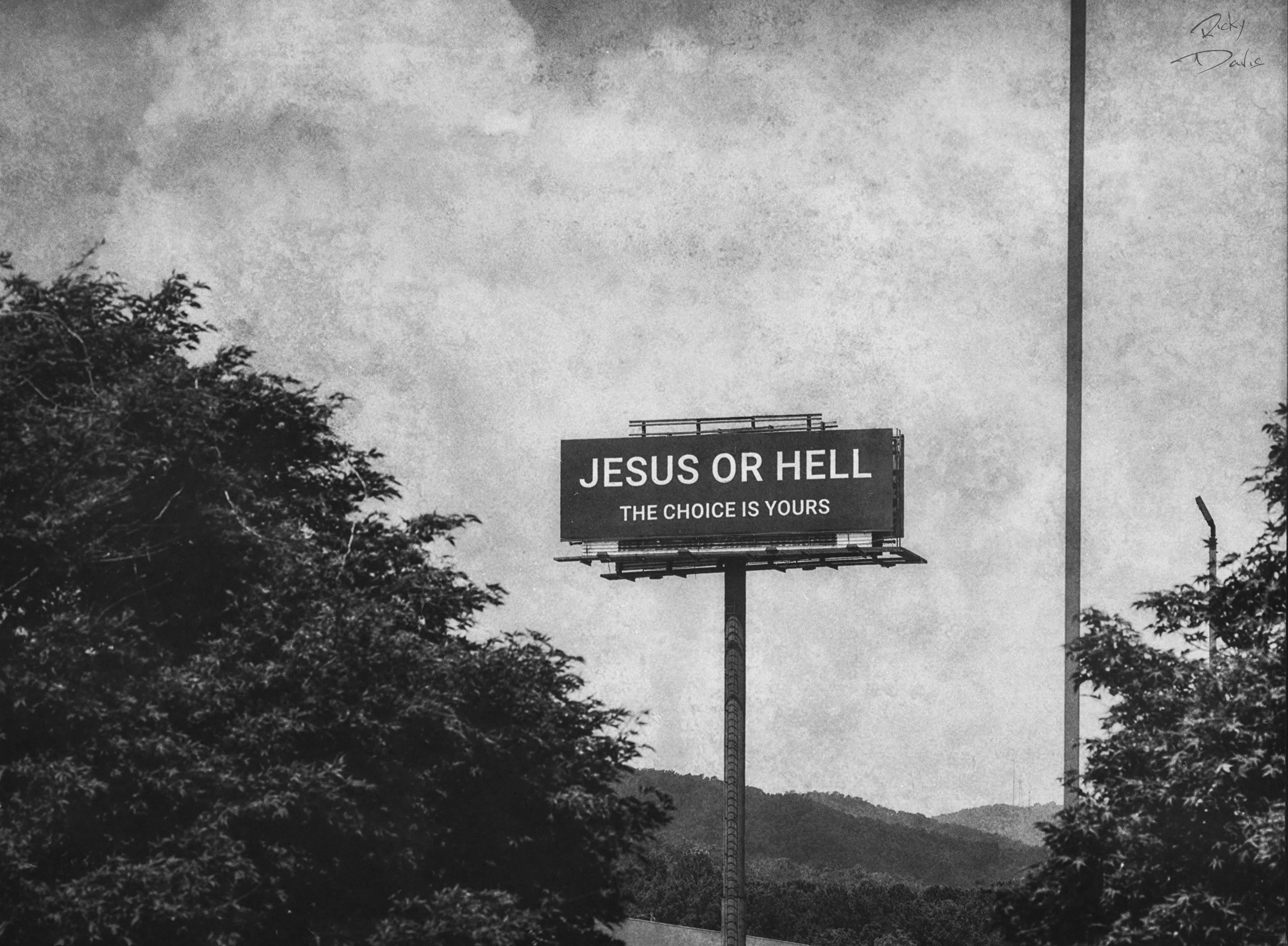
Scenes from the South Series - Kodak Tri X Film - TRD Photography - Chattanooga, TN
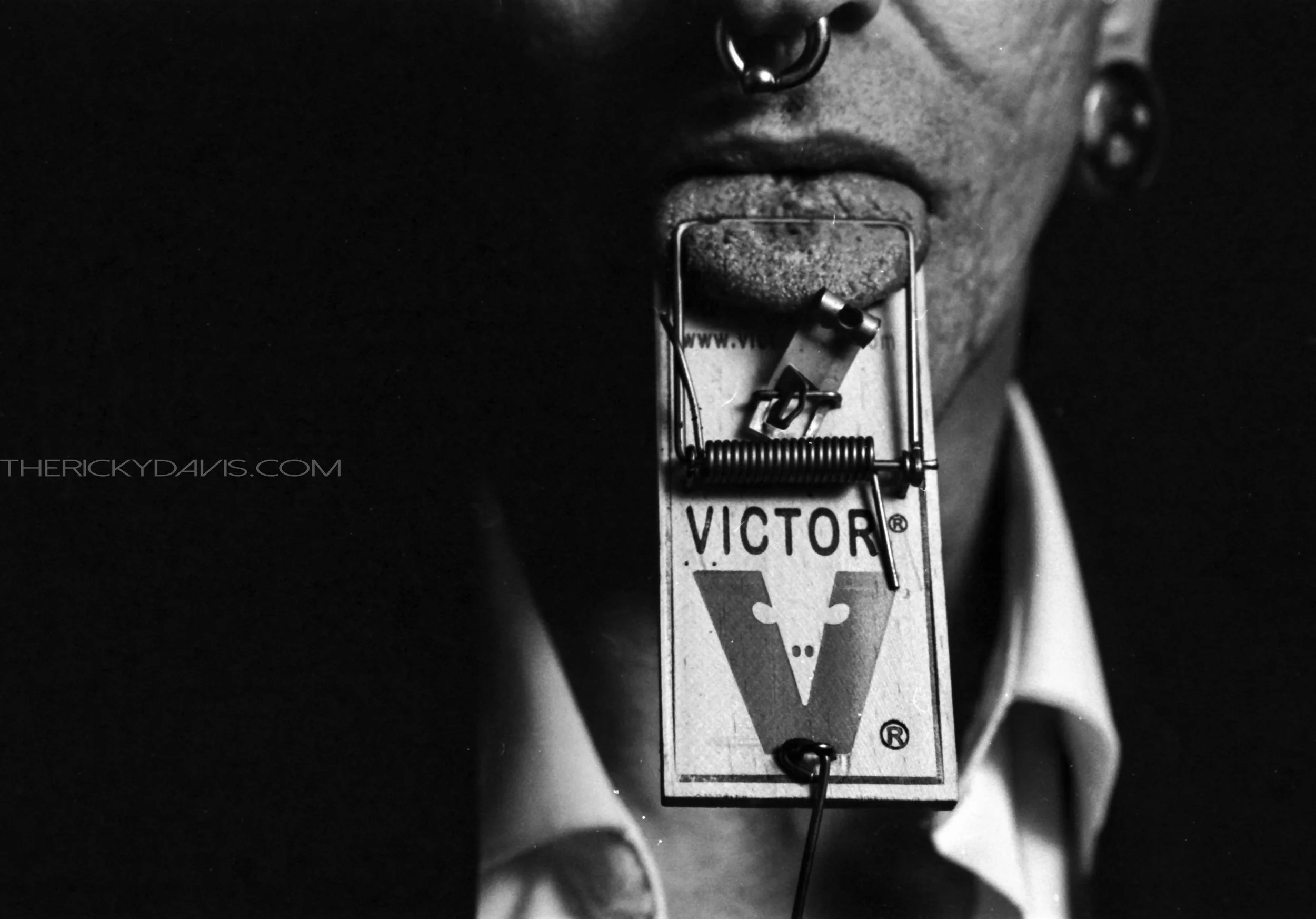
Scenes from the South - Jesus or Hell?
So one of the things that I’ve been doing a lot of lately is exploring small towns and different places around the South. I have a lot of fun getting out and just finding different places and documenting kind of a different way of life. One of the things that I’m working on in my series is religious signs.
When I first started this series I remembered seeing lots of signs growing up along the roadways that we traveled. Even though I grew up in a strict, Christian conservative home, I was always taken aback by the signs. As an adult, I’ve actually been deconstructing alot of the things I was taught. I believe in God but a lot of the teachings seem to be in conflict to the teachings of Jesus. So I feel more inclined as I look around and see things, I want to capture it and have conversations about these things.
This sign I found going down into Georgia on a recent trip to take some photos at Old Car City USA. I knew I had to photograph it on the way back. It was in the Dalton, GA area and they had actually purchased the same billboard on both sides so they could hit people coming and going on the interstate.
When it comes to these signs, I don’t know if people understand how it comes across. I truly believe that all these signs do is to cause separation from those they think they are witnessing to. I do think that some of them have good intentions but they are so out of reality that they don’t realize how they come across. I’ve been in that boat before at times myself. It’s something where when it comes to your beliefs you’re never going to change minds by yelling and telling people how wrong they are. Changes come from relationships and true connections.
Anyways, about this photo, it’s just the first of many to come in this series. I shot this on Kodak Tri X Film.
A Conversation with Joshua Ricker
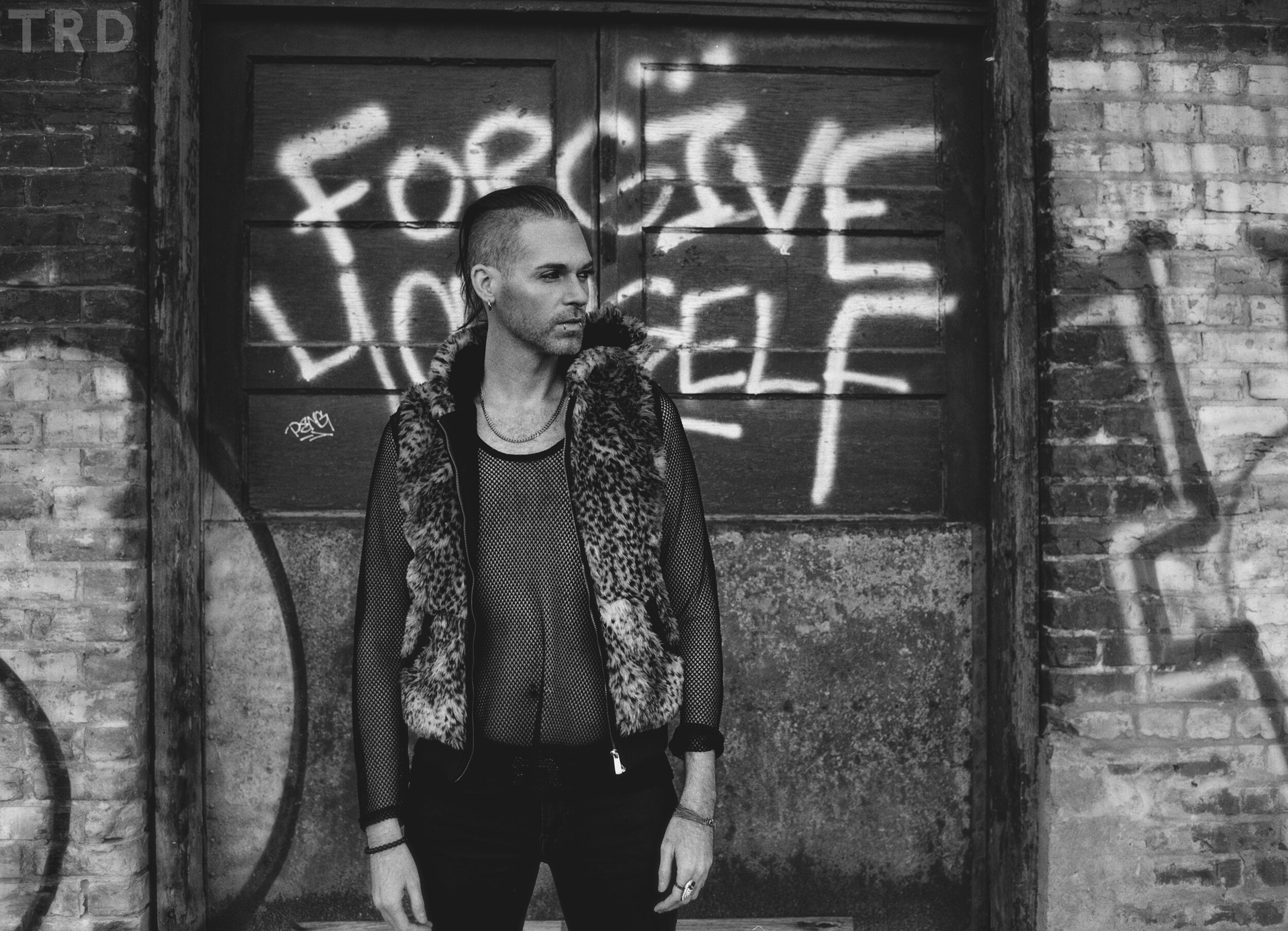
Kodak Tmax 400
A Conversation with Joshua Ricker
Sometime during the quarantine of 2020, I sat down with Joshua and we chatted via FB about life, art, and the quarantine times. We had connected up in Knoxville and did some film shooting before the virus hit so hard, and then things went crazy before we were able to actually do our chat for this piece.
Ricky - Hey Joshua, what have you been up to with all of the quarantine and stuff happening lately?
Joshua - Well, working like crazy! I’m a five year plus Walmart associate so I’ve been working through all of this as an essential worker. It’s been really different and kind of scary at times but I’m glad I’m able to provide the community with necessary essentials. When I’m not busy working at Walmart, I focus a lot of my time on doing new makeup looks, playing video games, and just staying healthy. I’ve been working on a lot of videography lately with some local queer entertainers in the area. Since the social distancing/stay home has taken affect, I haven’t been able to do as many artsy things as I would like to. So mainly, working and trying to stay healthy!
Ricky - That is really cool man! It's definitely been a unique time in society, especially being an "essential worker" and having to be out working in all this chaos. That's awesome you've taken the time to work on upping your skills with videography. What got you interested in doing videos?
Joshua - I really enjoy creepy and dark things. So, I started this video series called “Kweenz of Filth.” It’s a dark video series I’m doing with local Drag Queens in the area. I video them lip syncing to a song of their choice that ties in with an inner darkness they carry, i.e. anxiety, depression, toxic words, etc. They use the song and video as a way to tell their story with a dark side. I just felt like I wasn’t telling full stories with images so that’s when I started working with videos so I could develop full stories. I’ve done recent work introducing a Queen into the scene for their specific brand by video and helped a few entertainers with videos for online contests and online shows during the Quarantine. I find videos exciting and its always something new and different every time.

Kodak Tmax 400
Ricky - That's such a great way to get further into telling stories man. It's cool to see people have a vision of what they want to accomplish and then figure out ways to work on making it happen. I think it's especially brilliant to have the song tie in to a personal darkness that they are dealing with. Great storytelling man. Do you have some sort of inner darkness that you carry with you?
Joshua - I think an inner darkness for me would be an eating disorder; it’s something I’ve struggled with my whole life. When I was younger I was overweight and it took me years to get to where I was pleased with my body and how I looked. I still struggle with my body weight and I’m always fighting to remain happy with how I look but throughout the years I’ve developed a confidence with myself but it’s a never ending battle. It’s a distress I carry with me in my everyday life and sometimes it really puts me in a dark place. I believe though, with art and creating stories we can bring these darknesses out into the light.
Ricky - Wow man, I never would have guessed. That's one of the really cool things about art and creating things, in it's own way it helps us work through things in ourselves while trying to help others. What actually got you into modeling to begin with and how has your style transformed since the beginning?
Joshua - I got my start doing Knoxville Fashion Week in 2014. From there it sort of just opened all these doors for me. I started working with a lot of local photographers in the area, got published in a few magazines, started doing fashion shows, etc. I've always been very different in my style as I'm inspired by fashion icons like David Bowie and Prince. My style now has just got more weird and avant-garde; inspired by artists like Perfume Genius, lots of Drag, and a lot of different makeup artists. I do lots of crazy makeup looks and lots of gender bending with my style now. I love to push boundaries and mix styles that wouldn't normally go together and simply just call it "Art."

Kodak Tmax 400
Ricky - I think that's brilliant that you've run with it and made it your own man. With your unique style, how has the reception been in such a conservative environment and culture like we have here in the area?
Joshua - It’s been hard to find people to work with because my style/aesthetic isn’t “normal” per say but I’ve received a lot of good from it all too. What I mean is, I have a lot of random fans tell me how I’m such an inspiration because I don’t stick to the norm and I break boundaries; it’s those moments that keep pushing me to be different and to just do what makes me happy. I’ve had a photographer tell me that they lost clients because they worked with someone like me. I was heartbroken at the time but I didn’t let it hold me back. And honestly, it made me want to say “fuck it,” and go even more against the grain. When people are trying to push you down, push back and push forward, gain strength from all the negative.
Ricky - That is a great mindset to have dude! I love that it made you want to be even more you, and push boundaries farther. What’s the best life advice you’ve ever been given and what piece of advice would you give to the people that are reading this?
Joshua - The best advice I’ve ever been is given is the best advice I think everyone has been given in their life, just no one really thinks about it ... “Stop caring what others think about you.” When it comes to people judging you or thinking your craft isn’t good enough, who cares what they think! If you are happy doing what you do then just do it! Be passionate about it and don’t look back. My advice to someone reading this ... you are your own worst enemy; you determine your achievements and set the goals. No one can diminish you but yourself so it’s up to YOU to be the person you want to be and how far you want to go, you make it all happen. And guess what!? You will make it happen! Find your path and go all in. Never stop learning and always have room for growth.

Kodak Tmax 400
I hope that you enjoyed reading our conversation. It is always a pleasure to work with this guy. Go check out his work on IG @joshuaricker_ and give him a follow. If you’d like to follow me on IG - @trdshootsfilm
Native American Portraits - The Series - Amanda Starr

Native American Portraits - The Series - Amanda Starr - TRD Photography
Native American Portraits - The Series - Amanda Starr
This past year I got to go to Mt. Juliet Pow Wow and do some photographs with some of the dancers for this Native American Portrait Series. I'm still working on connecting with everyone that I photographed that day for their interviews, but recently I got to chat with Amanda a little bit about her story. I hope that you enjoy it.
Ricky - What is your nation?
Amanda - My mother's family is Eastern band Cherokee and my father's is Western band Cherokee.
Ricky - That's really cool! What is the the dynamic between the Eastern & Western bands? I've heard various stories. Is there still tension somewhat or not so much?
Amanda - You mean like the difference between them?
Ricky - Like the inter-band relationship. I've heard some people tell me that some of the Western band has been somewhat upset at Eastern band because of the removal and the Eastern band stayed. I've only heard a few people say that and I was curious.
Amanda - I honestly don't really know. I have heard that in the past the 2 bands did not get along for various reasons.
True be told I'm only in the last few years been able to start really learning about the Cherokee culture. It's been hard because a lot of people look at me and question if I have the right to be there.
My parents weren't raised native so I have had to fight really hard to learn what I know and earn my place in Native society.
Ricky - I can understand that. I've heard that story a lot from Native people who have been kind of lost out in society and are being called back and trying to learn. The important thing is you're out there trying to learn and do it respectfully. When did you become interested in your heritage?
Amanda - I was a little kid about 10 I think and there was a powwow going on in my town so my parents decided to go check it out and I feel in love and wanted to learn how to dance too. So my dad started talking to some of the people that were apart of the powwow and the rest is history.
Ricky - That is awesome! So you started dancing soon after? At that point, your parents weren't really part of the community in your town? What changed after that Pow Wow?
Amanda - Yeah the following year I started dancing. Unfortunately there's not really a native community were I lived just a few people here and there. We became good friends with a couple of people that were close by and by the time I was about 13 I was traveling around to powwows with them. My parents really couldn't afford to travel so going with friends was the only way i could go to powwows with the exceptions of the few that were close by.

Native American Portraits - The Series - Amanda Starr
Ricky - That's awesome that it meant that much to you at that age to become so heavily involved. When did you start learning more about your culture beyond the dancing and trying to become more a part of the Native Community?
Amanda - Once I staring getting to know people I started asking questions trying to learn as much as possible but I was an adult before I started getting really involved in the community and more traditional aspects of the culture.
Ricky - That's cool. What inspired you to go deeper in learning?
Amanda - Because it's a part of who I am and I truly believe you have to know where you came from to get to where you're going.
Ricky - I agree! How is it being a parent and bringing your son up knowing being involved in the culture?
Amanda - It's great! I also have a daughter that is almost 20 years old. It's amazing to be able to watch them learning and grow with knowledge of their culture more so than I got to. For my son who has high functioning Autism, real ADHD, and sensory deficit so I think being involved in powwows helped him tremendously with his social skills and to over come some barriers that he otherwise would not have been able to do.
Ricky - That is really cool! And dang dude, I would not have guessed you have a 20 yr old daughter. I know your son dances, does your daughter?
Amanda - She did up until 2 years ago when she started working her job really wouldn't let her have weekends off to powwow, but she has decided she wants to come back and dance again. So I'm going to be making her a couple of new dresses and new beadwork for her to come back in. So maybe sometime next year.
Ricky - That's so cool that you guys dance as a family. What does dancing mean to you?
Amanda - It means the world to me, it's a part of who I am. It makes me feel good to dance because I'm carrying on a tradition and helping to insure that it stays alive.
Ricky - What is it like being Native and living in our society these days?
Amanda - It can be hard because the people I'm around on a daily basses aren't Native and have no idea about it. So I have to listen to ridiculous questions and comments. I sometimes even feel out of place. On the flip side I've been able to teach people what it really means to be Native. The truth of what our ancestors went through and our people still go through. It has it's good days and bad one.
Ricky - That's awesome that you've been able to really help bridge the gap a little bit and help teach. What is some thing you wish more people knew about being Native in this day and age?
Amanda - That we're real people and we're still fighting some of the same battles that we've been fighting since Europeans arrived and it's time to stop.
Ricky - Amen! Very well said! So much of what's happening today is still being so quiet and not talked about. I want to thank you for taking the time to do this. One last question. What can people do to learn more and see what is going on today and help First Nations people in their fight?
Amanda - Take the time to ask questions and actually listen to the answers. Pass the information along to others don't just pretend it's not happening. Stop cultural appropriation.
You very welcome I enjoyed doing it.
Native American Portrait Series - Teah Plumlee - TRD Photography

Native American Portrait Series - Teah Plumlee - TRD Photography
Native American Portrait Series - Teah Plumlee
I was really stoked to finally get to meet Teah and get to work with her. I met her family earlier this year at the Murfreesboro Pow Wow, and Teah is actually one of the first dancers that I ever photographed last year at Red Clay while she was dancing, I just didn't know anyone at that time. She dances Women's Fancy Shawl.
Ricky - What Nation are you?
Teah - I'm actually a descendant of 4 nations through both of my parents but I have been raised according to the culture of my mom's people who are originally from the Old Cheraw District, Black Creek in the Carolina's. I am Lumbee, Choctaw, Mvskoke and Cherokee. It's a little confusing. I'm kind of a nation amalgamation but I'm enrolled Cherokee.
Ricky - Wow! That is really cool man! Being part of all four nations I bet could be overwhelming at times. Have you ever thought about this history of the different tribes and just be wow? I came from all of them?
Teah - It's actually pretty fascinating. I try and learn as much as I can about each but I've always been taught that you are who you've been raised to be regardless of who you are ethnically. For example, it's only recently that I learned about my Choctaw blood. I think it's interesting but I wasn't raised in that culture so I respect it and will try and learn but I don't call myself Choctaw. I simply say that Choctaw is a part of my ethnicity the same as with my German blood. I think it's pretty cool to feel connected to so many people.
Ricky - That is such a great point! Our heritage is a part of us, but especially when you have so many different ethnicities it would be impossible to represent each culture. How do you feel about the current treatment of Indigenous people in mainstream America today?
Teah - Yes it would. I've had the honor of being chosen as a representative of one of the former Native organizations in this area. While a part of my responsibility was to educate, I could only educate to the extent of the culture I know. As to the current treatment of Indigenous people, I would like to say that I think that things have changed dramatically over the years but I'm afraid that's not really the case. It wasn't until 1910 that my mom's grandmother was actually listed as Indian on any federal census. Until that time, due to politics and bigotry, the entire family were counted as mullato. Those who owned land were heavily taxed and many lost everything they had due to the greed of others. When I see what's happening with many of our people today, those who are still being pushed around and even physically harmed simply for trying to protect what is rightfully theirs and all for the sake of money and power, it hurts me to think that we're still where we are in the eyes of so many others. I feel that until we can come together as a people no matter our backgrounds or tribal affiliations and stop fighting amongst ourselves we won't be making many steps forward. There's such a long way to go, and God never intended for his creation to be so divided.
Ricky - I completely agree! That's interesting to me that you bring up mullato because I've actually been trying to research my ancestry and back when I was actively doing it, I traced back to where my great great great grandmother listed herself as mullato and there was no more info on her. The history of the 5 civilized tribes is so sickening and I've talked to several people here today that still get bigoted remarks thrown at them on a regular basis. We've not come near as far as we would like to pretend. Today being Columbus Day, what are your views on changing it to Indigenous peoples day, and how would that change make you feel?
Teah - We refer to that as paper genocide. When you study the historical damage done to our people at the hands of such men as Walter Plecker, it's easy to understand how so many of our people have no genealogical paper trail at all. Many of the indigenous people of Virginia are still suffering the affects of this. I think that any opportunity to better educate others with true and accurate history is always a step in the right direction. Columbus was a murderer, rapist and slave trader who Americans celebrate because of the lies they've been taught to believe. The man deserves no respect or honor and the myth of his so-called discovery should have been corrected years ago. People are under the impression that this is a relatively new movement when in all actuality, attempts to make these changes date back to the early 70's and possibly prior to that. I understand that people can be very defensive about what they believe to be the original history of this country because it's all they've ever known but as time goes on, true facts and evidences can come to light and we have an obligation to right those wrongs. I would feel proud to know that there was a day dedicated to the first people of this land. We've made so many contributions that people aren't aware of. I mean most people never consider that when they pop a piece of gum in their mouth or pop a bag of popcorn, they have Native people to thank for that. Many don't realize that our entire system of government is based on the example of the Iroquois. These are contributions that should be recognized.

Native American Portrait Series - Teah Plumlee - TRD Photography
Ricky - Absolutely! I've discovered that basically most history we learn in school is crap. The "victors" wrote the accepted history and we are taught that this is the way it was. When in truth, much like the paper genocide that's made a lot of our records disappear, the true history starts to disappear. The movement against Columbus has been going on for a long time, I remember it from the 80's when I was a kid. But now with social media many are seeing it for the first time. We are being shown truths that many aren't comfortable with because it goes against what we were taught. What do you think the best way to show people these truths are?
Teah - I think that we need to take advantage of every opportunity we get to educate others who aren't aware of the truth, and do it in a peaceable way. As a Christian I've faced opposition many times when trying to show what I believe to be the truth to others, and i've found that most just don't want to hear it because they've become comfortable and satisfied with what they've been taught and are content to believe it rather it's wrong or not. That's also why it's so important that we make sure to have our facts straight as well. With so many lies out there it makes it hard to know what's truth and what isn't. People need to understand that just because we may view things differently or our culture isn't the same as theirs we are still people and we deserve the same respect that everyone else does.
Ricky - I completely agree. I've found that when you come at people in a hostile way, any chance that you have to help educate them or discuss things reasonably, goes flying out the window. You bring up another interesting question. I've known that you are Christian, and your family have been amazing ambassadors of your faith, not in just talking about it, but you can see that you guys are different than a lot of Christians. I know that as Cherokee, we adopted Christianity early on into our introduction to it. How does your Christian faith mix with Native culture? For you, how does it work with ceremony and Christianity?
Teah - Despite how some may feel, I believe following Christ and imbracing your culture meshes together perfectly. God made each of us individuals and, to quote one of my favorite movies, "He loves wondrous variety". No matter what your beliefs when it comes to culture and religion, it all goes back to your point of view. For me, I feel that we should try to give glory to God in everything we do. So when I dance, for example, I do it for Him, as well as for those who can't. I've heard some try to claim that Christianity is a European religion that was forced upon us by white settlers and missionaries, but that simply isn't the case. Yes, what the settlers called "Christianity" was forced upon indigenous peoples with violence and abuse, but what they were teaching was not God's teachings. They were dogmatic views full of hatred and bigotry, not the teachings of love and compassion that our Creator actually gave to us and every nation long ago. God's command is love, everything else is trivial and honestly doesn't matter in the long run. That's what my family and I try to teach whenever we can. God made each us different with different backgrounds and different stories, and as long as we do what we do with love in our hearts, there shouldn't be any conflict.
Ricky - Very well said. Many years ago, I was reading a book of quotes that were documented during meetings with Native Americans. A missionary had been speaking and an elder stood after some time and said "we believe this Jesus must have been Indian, for these teachings are things we've always done." I'll have to go find the full quote. Many of the beliefs that I've learned, I too can see how they mesh as well, but I also respect those that really have a hard time with Christianity because I totally get where they are coming from as well. I really respect how you guys walk your faith. You brought up dancing, how long have you been dancing?
Teah - I do too. Sadly, the spirit of those hate-filled men and women who tried to impose their lies on others with brutality still lives on in many people's hearts today. I feel sad for those who are victims of their victims, but I feel even worse for the ones who teach them. I cannot fathom what would drive and twist someone to become so evil. I've been dancing for as long as I can remember. My mom says, "Since I've been able to walk" but as far as exact dates i'm really not sure. I was brought into the circle before I could walk and my family held a giveaway. When i could I was taught first to dance traditional cloth. When I was about 6, I asked to dance fancy shawl. I was not allowed to dance fancy until I first learned from an established dancer who agreed to teach me and bring me in and then only after I had learned the history of the dance.
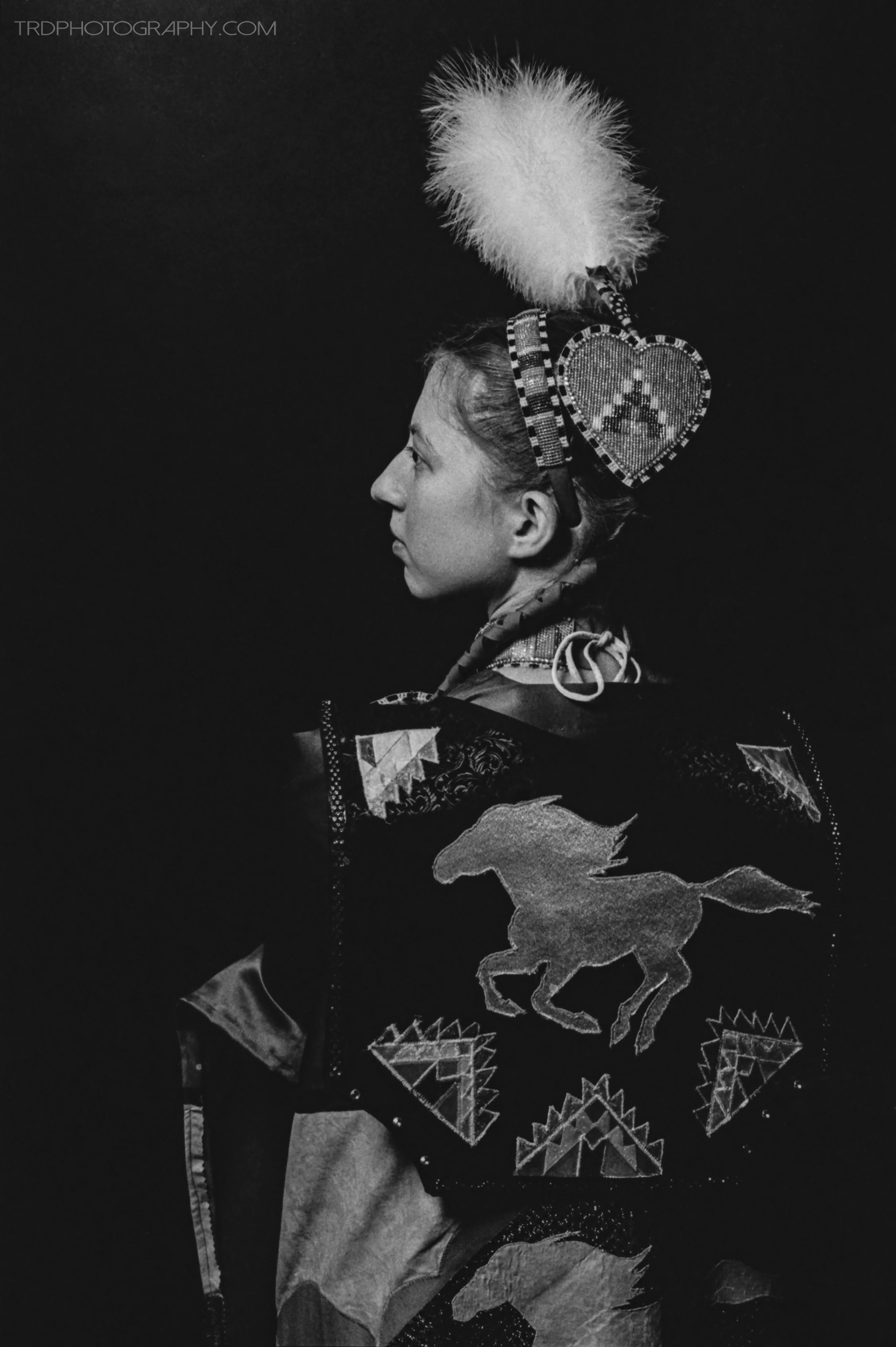
Native American Portrait Series - Teah Plumlee - TRD Photography
Ricky - That is awesome how you were brought into dancing, and dancing fancy shawl. What does dancing mean to you personally? I know you mentioned earlier that you dance for Him and for those who can't dance. What does dancing mean to you, and what goes into dancing that people don't see at the Pow Wow?
Teah - Dancing means so many things to me. In a way it's like an escape. Sometimes it feels like you're in an entirely different world, but one you've known for your entire life. It's hard to describe what it feels like because you're in such a state of focus but you're also letting yourself go at the same time. Dancing, especially in Fancy Shawl, is such a wonderful outlet for expressing yourself. It just gives you a wonderful feeling. Fancy Shawl in particular was originally created as a way for women to be able to express themselves and dance with more freedom. Up until that point only men could dance in such a way, in fact women were not even permitted to dance in the circle with the men for a very long time; They had to dance outside. The women who broke away from these traditions, deciding to throw their shawls over their shoulders and dance in a way similar to the male Fancy Dancers, and eventually make the move to dance in the circle alongside the men, they took some very bold risks, much like the women during the Women's Rights Movement. When I dance, I want to honor what they did.
The main thing with dancing is to remember why you dance and not to let yourself get wrapped up in the competition, which many tend to do. It's so much more than winning money or showing off.
As far as what goes into dancing behind the scenes, there's an awful lot of sewing and practice. This dance is extremely athletic and takes a lot of work. It's very important to keep fit and healthy, so often before a pow wow i spend a lot of time running and lifting weights and eating a little more protein. The regalia is no easy task either. There's been a rise in dancers doing what is referred to as old style fancy, which is much more simple style of regalia and closer to how the original fancy shawl dancers dressed, but because I dance contemporary style, it requires a lot more sewing and other work because it needs to look flashy and stand out. There's a lot of intricate applique, and the dresses are usually sewn differently, often with a flounce which takes a lot of skill to sew correctly. Usually my own regalia is a team effort between myself, my mom, and my grandmother. I come from a long line of wonderful seamstresses and quiltmakers so each of us have some experience with sewing. Each of us have our own strengths and weaknesses as well, so where one of us lacks skill, the other typically picks it up (my grandmother usually helps with the flounce and sleeves; she's amazing when it comes to intricate needlework and eyeing things) Because we all work on it together, I feel that whenever I dance, I'm carrying them all with me.
Ricky - That is so amazing! Myself, I never knew so much went into dancing behind the scenes until I went to the the Murfreesboro Pow Wow early this year with Holly & Jeff and she was telling me some about it, but then I heard her talking to so many of the mom's who were helping sew for their kids. That part of it I had just never thought of. That's awesome that you put so much work and effort into your dancing. I want to thank you so much for your time! What is one thing that you wish people knew about what it means to be Native today?
Teah - I guess what I would want people to know is that even though we're all different, we're also very much alike. We all came from one place, and no matter how we look or speak or believe, we're all the same deep down. We have feelings, we have dreams, we want to love and be loved just like everyone else does. It's hard to be a Native American in today's society because there are still so many stereotypes and myths that surrounds us. If I could tell the whole world one thing, being a Native American woman, it would be to ask that, instead of profiling us by what you've heard taught or read in books or have seen in movies, look at us for who we are; we're people. Living, thinking, spiritual human beings, and we just want peace for the world like everyone else.
Ricky - One more question I wanted to ask and you just reminded me with your answer. In regards to Native American women. In our country, and in Canada, there is an epidemic of murdered and missing Native American women. It doesn't get any attention mainstream media wise that I've ever seen. What is happening and what can we do to help spread the word to get this to stop?
Teah - I couldn't say for sure what is or why it's happening. There's such a long history of crimes against Native women, and children too, and many of those stories get "lost in the shuffle" too. I think it all goes back to that stereotype of Native peoples being worth less than others, that we're uneducated and primal in our decisions and culture, so many people don't see these atrocities as needing to be publicized because, in a sense, we're just not worth the time; we don't matter as much other people do. With women especially, it takes a lot more to prove ourselves as individuals. We're often so maligned by the media, made out to be some sort of object for men to gain or a weakling that needs to be rescued or protected. The images created by the media have taken such a toll on women as well as Native people in general that we're not viewed in the same way as others.
Thanks to social media outlets we now have so many ways to spread the word about these horrible crimes, but we have to take advantage of them. It's up to us to make sure people are made aware that these things are happening and that they need to stop. One of my mom's favorite quotes is, "The only thing necessary for the triumph of evil is for good men to do nothing." (I'm not positive about who said it originally, but it's usually attributed to Edmund Burke). If we remain silent when we know that there's evil being done, then we're really no better than the one's who do the act themselves. It's so terrible and it needs to be stopped. No one deserves to be treated this way.
Native American Portrait Series - Michael Brenton Morrison - TRD Photography

Native American Portrait Series - Michael Brenton Morrison - TRD Photography
Native American Portrait Series - Michael Brenton Morrison
Recently I had the honor of getting to go up to the Mt. Juliet Pow Wow, thanks to Cindy Yahola and Holly Johnson. We were able to setup a booth to do portraits of some of the dancers for the Native American Portrait Series that I've been working on. The series is based off breaking down some of the stereotypes and misconceptions about what a lot of people think of Native Americans in our society today. At my studio shoots for this series, I take photos of people in both their regalia and their everyday clothes. Many of this country's First Nations people walk around everyday and you might not even know. At the Pow Wow, it was said that it's like walking in two worlds for Indigenous People today. One world is our culture and tradition, and the second is modern society. It's learning to walk in both with balance that is key.
One of the dancers that I got to photograph and talk with is Michael Brenton Morrison. I first heard of Michael from my buddy, Wes Collins. Wes had many praises about Michael both as a Traditional Men's Dancer, but also in the respect and honor he has seen from him towards Cherokee culture.
Ricky - What nation do you belong?
Michael - My family belongs to the Eastern Band Cherokee nation
Ricky - Does your dancing hold personal meaning for you? Does it hold personal significance to you in dancing traditional?
Michael - Dancing to me means that I can get out there and dance for those who danced before me, those who cannot dance, and of course those who give me the right to dance. But most importantly I dance for the creator and that he may always blesses me with the strength of a warrior to carry on thousands of years of tradition.
Ricky - That is a beautiful answer. I've heard different answers but I've heard some older dancers really talk highly of your dancing and doing it for good reasons.
Michael - Really now? That's enlightening. I try to dance the old way and not let the modern contemporary ways get to me.
Ricky - Yes sir. It shows man! What has life been like growing up Native in this culture in America.
Michael - To be honest, growing up Native in this American culture hasn't been easy at times, especially due to racial bigotry and stereotypical questions. At times people would ask me do I live in a tipi or do I get free things from the government. My answer is always No.
Then there's always the "you aren't native. You're just a 6 foot Mexican." Which cracks me up
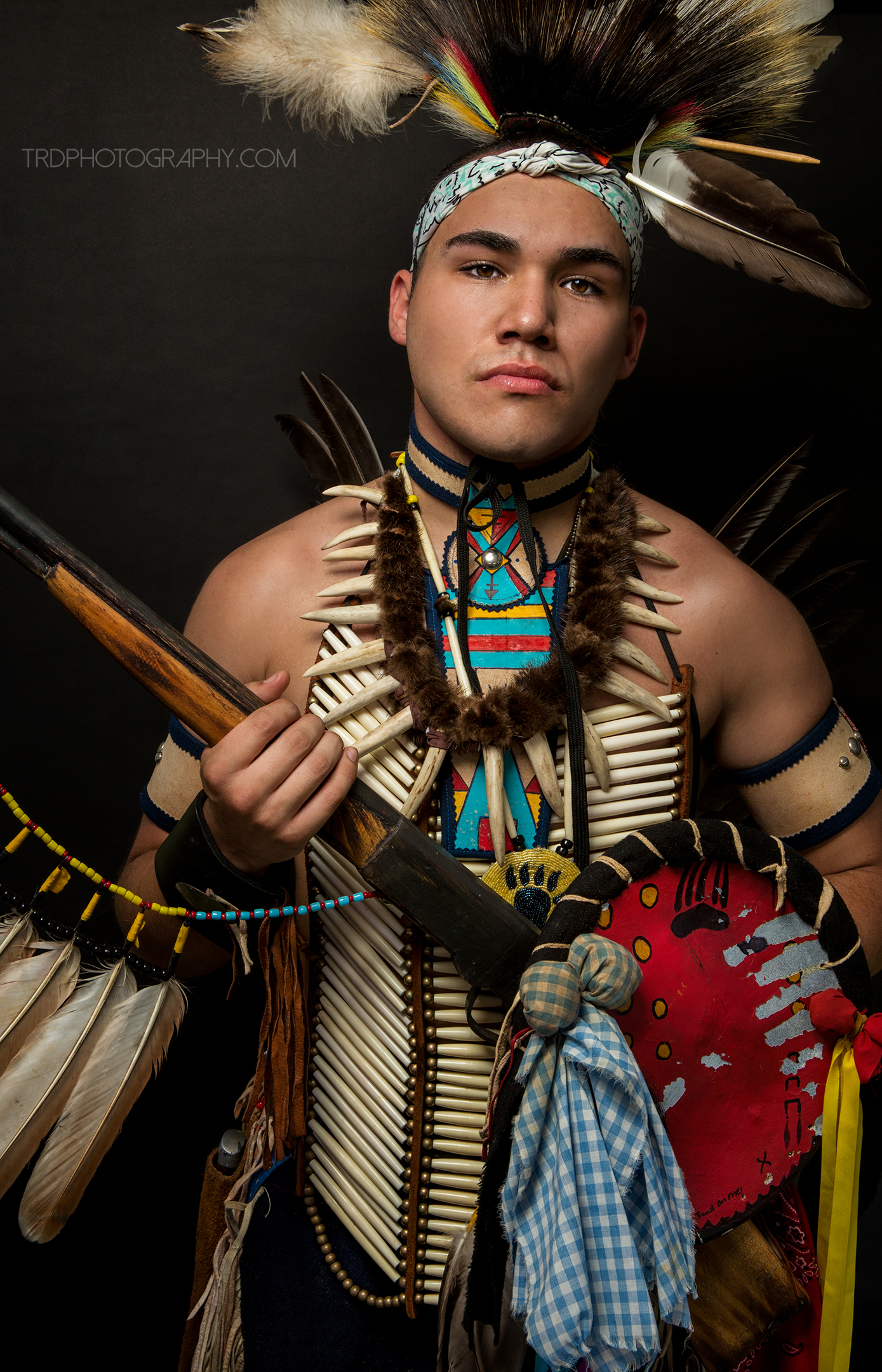
Native American Portrait Series - Michael Brenton Morrison - TRD Photography
Ricky - How have you handled being faced with some of the racial issues you've had, especially with being younger and how would you try to explain to people who may be reading this that think race isn't an issue anymore?
Michael - I listen to the stories that my mother and father told me from when they were younger and the stories they tell me is truly saddening because when they were growing up it was a bad thing to be native. Now in my generation everybody wants to be native. The issues I've dealt with are nowhere near as bad as my parents.
Ricky - Very true. The stories from even the last 30 to 40 years ago are horrible. It blows my mind how humans can treat other humans in such ways. I had thought things had improved greatly until some of things that happened last year at Standing Rock. What were your views about what happened there?
Michael - Hmm that's an odd situation there to be honest. Some of the family was up there and it was blown put of proportion. That land was theirs that was part of the agreement yet lies and deceit over rules again. However, with that being said. I feel that media made it worse. I blew into something that should not have happened.
Ricky - In which way do you think that it got overblown? From the things that were happening to people or about the things the dam was saying the water protectors were doing or all of it?
Michael - Well people fall for greed and become a lover of things as in the Choctaw language a "Nanihullo" And when that happens life become in danger sometimes even destroyed. For what though? When we cross over we cannot carry those things. That is what i mean when i say things become overblown too fast.
Ricky - Awesome, I just wanted to make sure it was clear. You serve in our military correct? What branch of service?
Michael - US Army
Ricky - Thank you for your service man! There is a long relationship with Native men serving in the armed forces. What led you to enlist?
Michael - Well for starters from the time i was 6 years old I wanted in the United States Military. I knew that I was warrior, and that I wanted to earn the right to be called one. I have a long history of family being in the Military.
Ricky - What are your feelings with the protests during the Anthem?
Michael - Man, men and women have fought and died for our rights, man will say oh that's our 1st amendment but I don't care. Show respect for those who died for their right to be an idiot. It truly annoys me. People do it because they think its cool. Its not cool at all.
Ricky - I can definitely respect that man. What are some things you wish people knew about being Native. You mentioned that you get asked stereotypical questions a lot. What are some things you'd like folks to know about Natives in our culture today.
Michael - Haha. I'd tell people that we don't live in tipis, we don't scalp people. I'm not an alcoholic, I don't even drink at all. We also don't worship a buffalo either.
Ricky - It's crazy, so many just assume each tribe basically lived the same ways. If someone is wanting to legitimately learn more about Native culture, what ways would you suggest they learn? How can they be respectful and not come across how so many do?
Michael - Instead of assuming answers, just ask questions and we will answer them. Of course be respectful but also don't be afraid to ask.
Ricky - Very cool man. I want to thank you so much for taking the time to be a part of this project again. I appreciate it!
Michael - You're welcome!

Native American Portrait Series - Michael Brenton Morrison - TRD Photography
A little note on the photos - The B&W work that I'm doing on this series is done with Kodak Tri X film. My goal was to do the series completely in film only, but at Mt Juliet I also did a number of digital shots as well, and I really want to add a little of that color in as well.
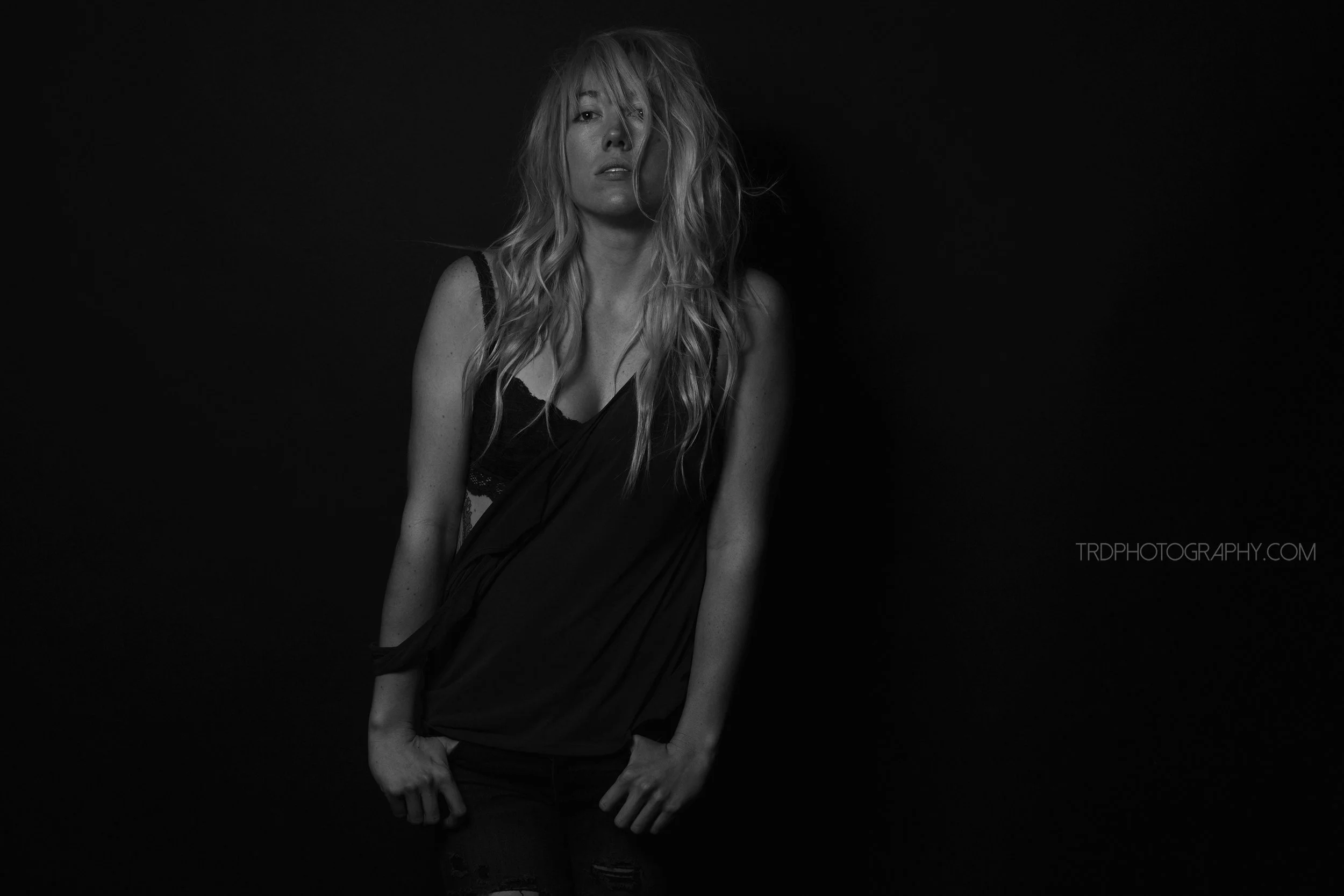
Raw No Makeup/No Photoshop with Brittney Berlin

Raw No Makeup/No Photoshop set with Brittney Berlin - TRD Photography
Raw Shoot with Brittney
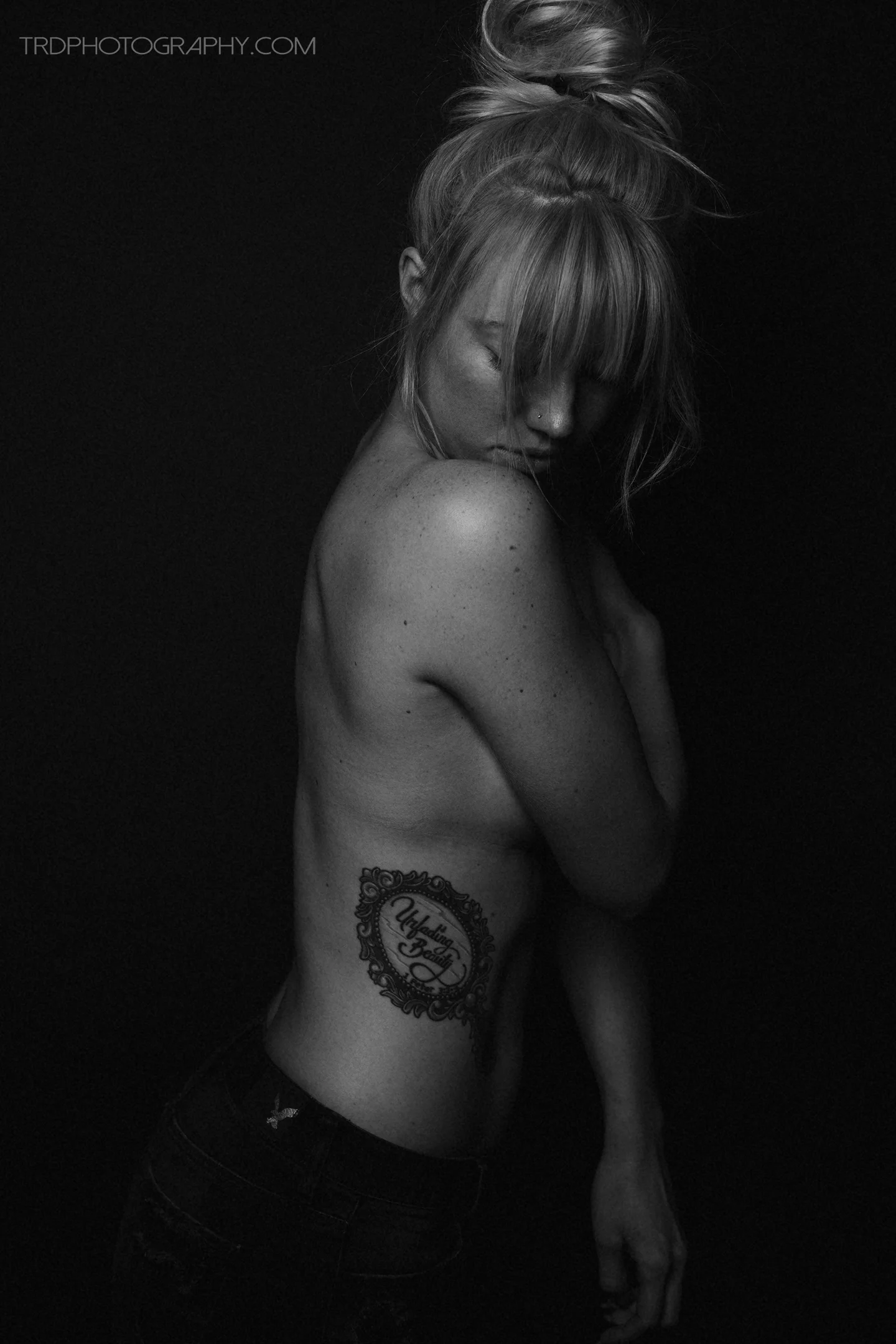
Back in 2015 I decided to do a few raw, unedited shoots because I really love the message that it conveys. How you are beautiful as you are instead of you're beautiful because someone with photoshop skills. A lot of people really loved the images that came from those sessions. Some did the shoot sans makeup, others wanted to still wear their makeup. I've been wanting to do some more raw shoots because honestly, I want to do more work that actually makes a statement and isn't just "cool" to look at. I recently got to do a no makeup/no photoshop session with Brittney who is a model and hair/makeup artist here in Chattanooga. Because the whole "no photoshop" thing means different things to different people, the only thing done to these images was putting them into b&w. I also want you to read what Brittney had to say about her session as you check out these images... Read below.
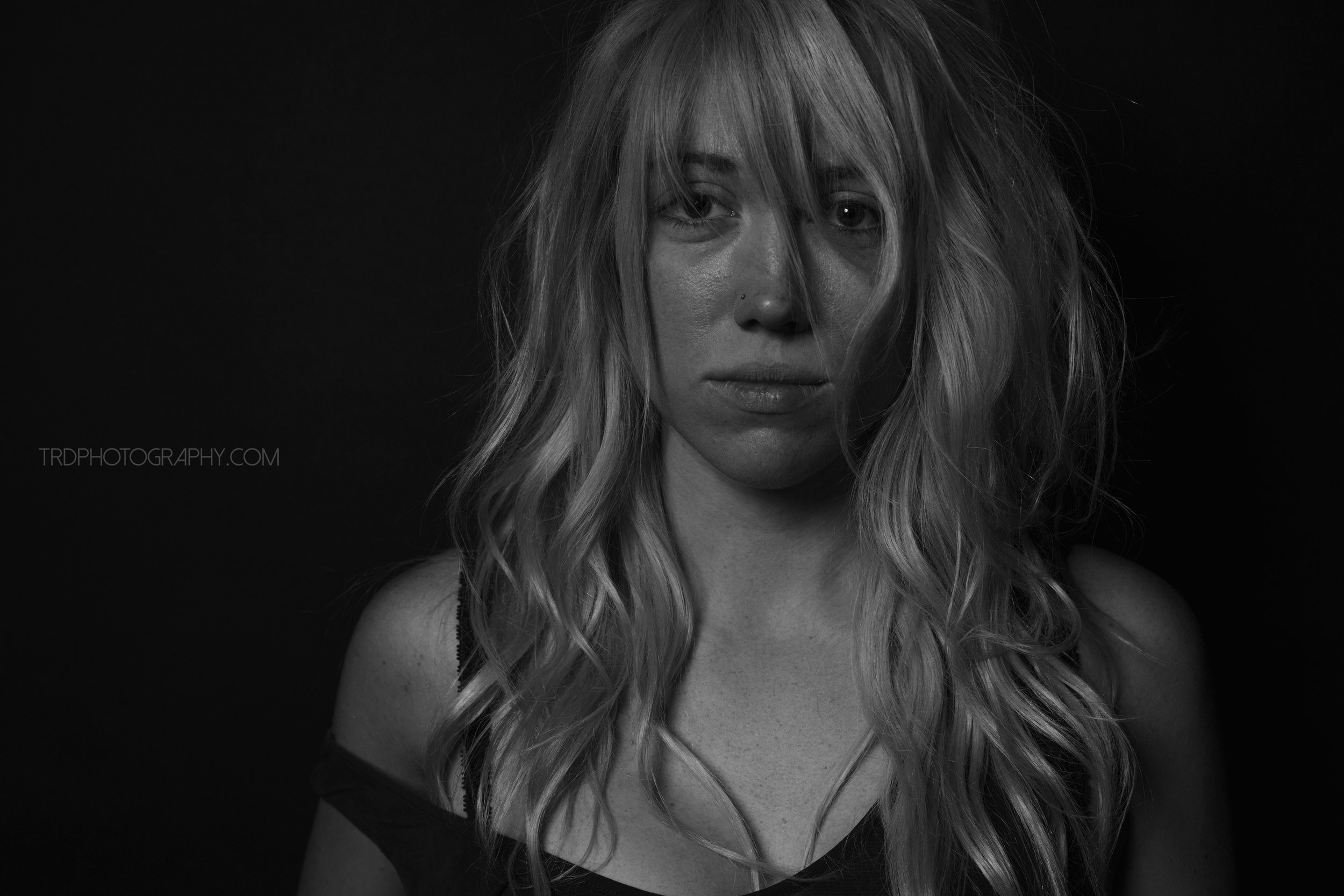
Raw Photoshoot - No Makeup/No Photoshop - Brittney Berlin - TRD Photography
" A few years ago if you asked me to do a photoshoot without make up, my hair unfixed, and the photos would be untouched meaning not at all edited I would have refused. In fact I wouldn't have even let anyone see me like that! I was very caught up in what society views as beautiful and I was trying to obtain that standard."
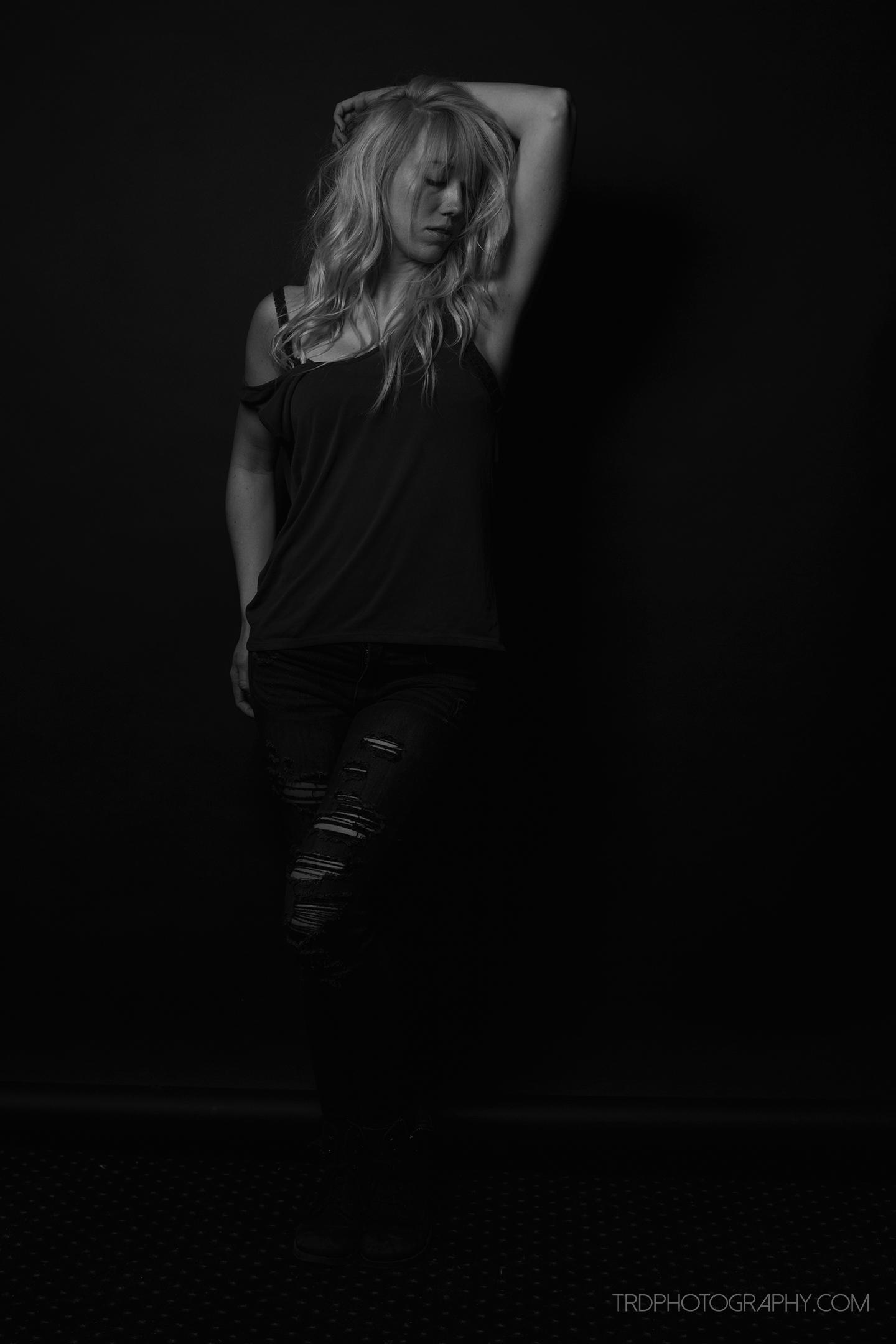
RAW - No Makeup/No Photoshop - Brittney Berlin - TRD Photography
" I'm not going to lie, going into the photoshoot I was nervous. It's something I had never done before but I was still excited. I was having a lot of fun with the photoshoot but as soon as Ricky showed me the camera screen for a sneak peek of what it was looking like a huge smile came across my face and a feeling that sparked inside I can't really explain but I immediately got pumped! It was so empowering. Here I was with my hair a mess and no make up on to hide behind and I loved it! "
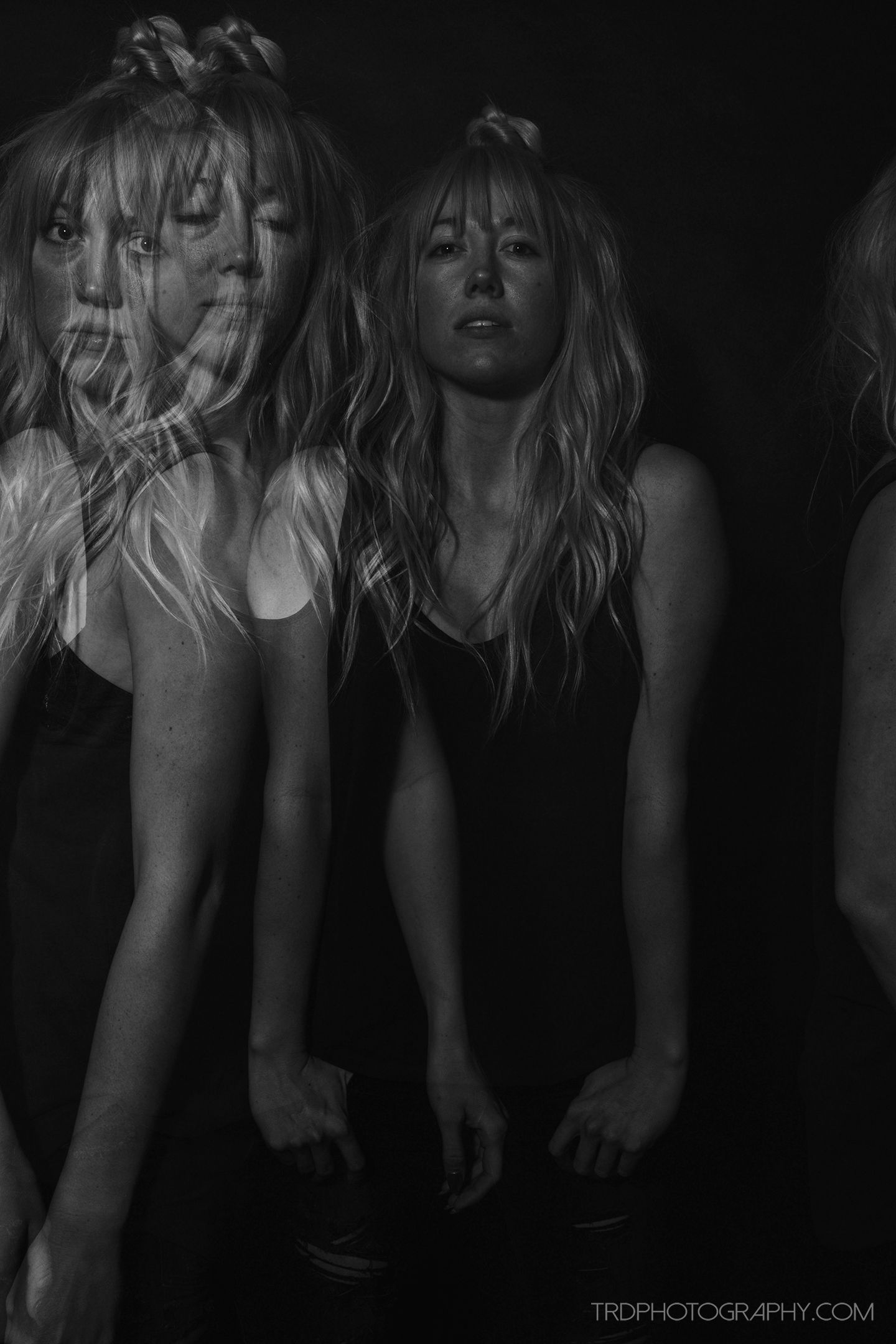
Multi-Exposure - Raw No Makeup/No Photoshop Shoot - Brittney Berlin - TRD Photography
" It boosted my confidence even more which I didn't expect to happen. I left the shoot feeling so good about myself and what I accomplished. Being able to look back at where I was and how I felt about my self then to now holding the confidence and love for myself and being comfortable doing something like this it a pretty remarkable feeling. " Brittney

RAW No Makeup/No Photoshop Session with Brittney Berlin - TRD Photography

RAW No Makeup/No Photoshop Session with Brittney Berlin - TRD Photography
RAW No Makeup/No Photoshop Session with Brittney Berlin - TRD Photography

RAW No Makeup/No Photoshop Session with Brittney Berlin - TRD Photography
Native American Portraits - The Series - Interview with Wes Collins
Native American Portraits - The Series - Wes Collins - Photographer - Ricky Davis
Native American Portraits - The Series
Intro
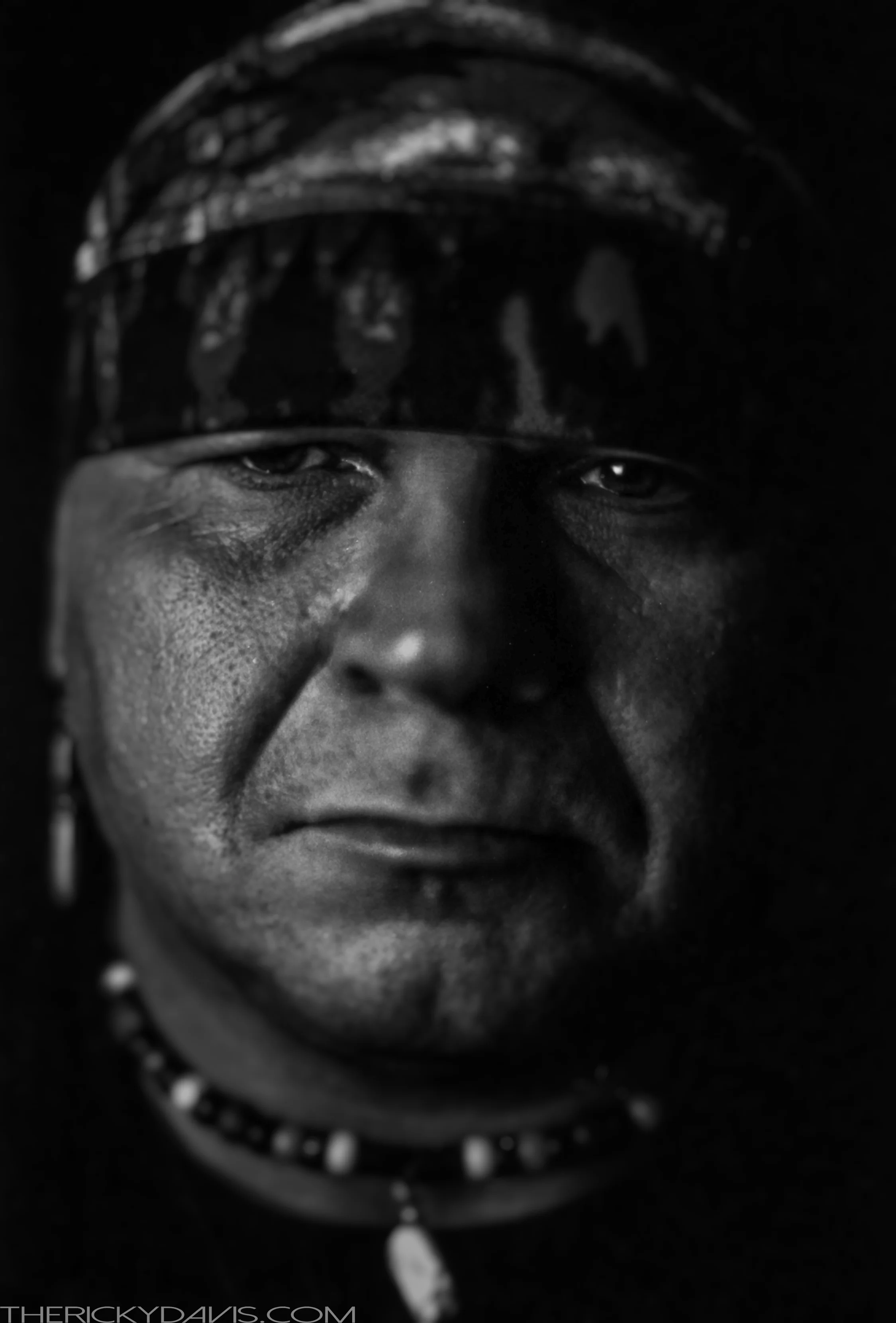
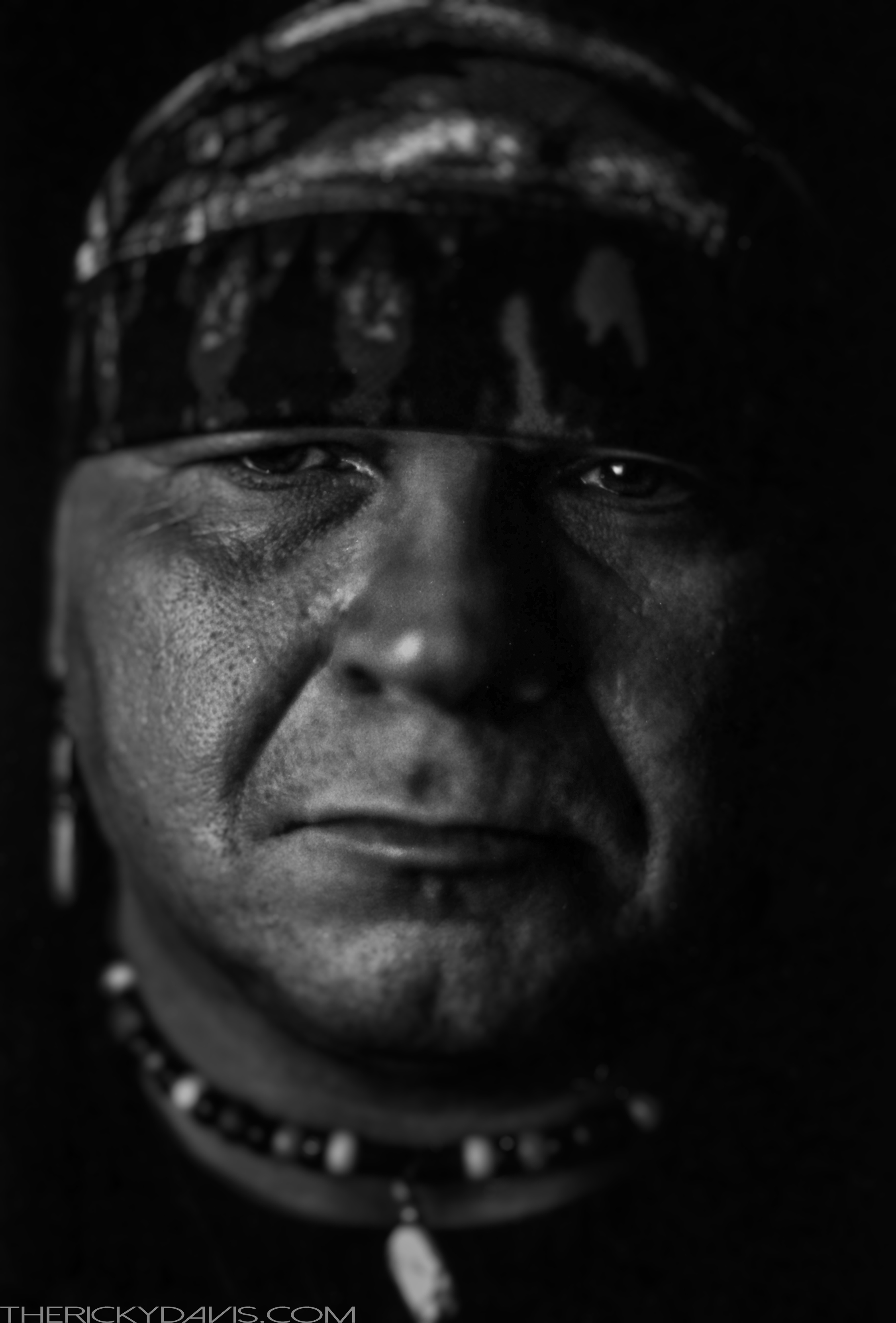
This is the first post in a brand new series that I'm working on. Before I share with you my interview with Wes, I wanted to share a little about the inspiration behind this series. Native American history has been an extremely important part of my life since I was a little kid. Before I even started reading, the books I picked out at the library to be read to me were American Indian history. When I first started learning to read, that's all I checked out. Fast forward to 2009 and my opportunity to do photography. Ever since I began photographing, I always knew at some point I wanted to be able to photograph Native Americans, much like Edward Curtis. I had no idea how I would be able to achieve it, but I wanted to photograph and share their stories. Much about what we have been "taught" to believe about Indians has been pop culture like old John Wayne movies, or just out and out lies and myths to discredit their culture. To me personally, my mission is to share with you some amazing people, and share their stories and thoughts of what makes them who they are and hopefully show you that we are all human beings. It's time to come together.
Ricky

Native American Portraits - The Series - Wes Collins - Photographer - Ricky Davis
Interview with Wes Collins
I met Wes because I recently attended a Pow Wow at Red Clay State Park. I went to the Pow Wow because I had missed it the last few years and I knew I wanted to get back. Since I attended my first Pow Wow back around 2005/2006, they have always been a really special thing to me when I've gotten to go. When I first started taking photos, I took some at a Pow Wow and honestly, they sucked. It was being laid heavy on my heart that I needed to reach out about my desire to do a portrait series, that it was time. I went to the Pow Wow and took some photos on film of the dancers in the Circle. Outside of the Circle, I had hoped to talk to some people about maybe letting me take a portrait, but everyone was always talking to someone and I didn't want to interrupt. After I shared some of the photos from the Circle, I was honored to hear from some of the dancers that I had photographed. I've been honored to get to know Wes a little bit, and I hope you enjoy his interview and that it opens some eyes.

Native American Portraits - The Series - Wes Collins - Photographer - Ricky Davis
Ricky - What kind of experiences did you have growing up in the South as a Native American?
Wes - I was raised in the rural area of the county with my grandparents, we didn’t have much and a lot of what we had was grown or made by my grandparents. My grandfather always made sure I knew how to hunt and live off the land as much as possible. He didn’t boast his native heritage and wouldn’t mention much about it, I only knew it as country living. While other kids in my school were going on vacations and spending summers in other states or areas, I spent my summers in the woods hunting. As I got older I really started noticing a difference. The other kids would tell the teacher what they had eaten for breakfast and when I mentioned that I had eaten squirrel dumplings that morning, I was taunted and made fun of. I remember one day I wore a bird skull necklace to school that I had made over the weekend. I had found the skull while hunting in the woods. I took it home where I bleached and cleaned it and I felt I was honoring the bird by wearing it. I was very proud to display it around my neck but still kept it under my shirt as not to upset some of the kids. When my teacher saw it, she got very upset and tried to claim that I was practicing witchcraft, I was very upset and embarrassed to say the least. She tried to have me suspended so my mother had to come up and talk to them. Where I was raised our families homes were all in one area, so at an early age I would go through the woods, with hunting rifle in hand, visiting all my relatives. This is how I spent my days. People would talk and act like I wasn’t being taken care of but it is basically like the adage “it takes a village to raise a child” all of my family took care of us. I may have been poor, but I never felt that way. Money had no value to us. Being close to nature and close to the Creator was of the utmost importance. I was not raised to be well educated, most families put an emphasis on school and I was raised differently. We were raised to stay close to nature and be more spiritual in life. We are an oral society so reading and writing isn’t our priority. My wife, Lisa, is even helping me to get across and interpret what I want to say. I do however encourage my children to continue their education but also try to develop their spiritual side so that my spirit will carry on through them, even though they are multi-cultural.
Ricky - What have been some of the misconceptions of Native Americans that you have experienced?
Wes - There are many misconceptions about Native Americans. Some people believe that we live off the government or receive benefits or special privileges . Some believe we are alcoholics or are lazy. Some believe that we are less than or inferior to other races. I believe in part because of us staying close to nature and not trying to be more educated or caring about money as others do. But this is not always the case either, we are all humans and we all are different in how we choose to live. We celebrate our culture but are not limited by it. Some of us choose to study and stay close to our heritage. Others choose to explore beyond that and branch out in different areas. I believe that we are very misunderstood in our beliefs and our spirituality just like any other culture.
Ricky - What are some of the difficulties of being Native in America?
Wes - Seeing people hurt because of misconceptions of our culture or belief system. Experiencing racism and hatred. Being passed over for promotions or discriminated against because you are considered less than.
Ricky - What are your thoughts on the DAPL?
Wes - Water is life and this is very important. I have actually started writing a poem about this.
I stand to fight with my war cry
My people have fought way too long to just survive
You try to wipe us from the face of the Earth
You people tell us the Crawling Darkness will tell us no lies
But it brings about only death and destruction
in its path It corrupts even our own
Take a look around Our Mother Earth is dying
Her blood is on our hands if we do not stand
The Hawk sent a vision to me
Showing me the Crawling Darkness beneath it
Starving hope from us
To the others lost in the wonders
Erasing us from their heads
Do you even know us
We are free but will we be free from you
Will you see me now
When the Crawling Darkness comes for your land
It will swallow you up and spit you out
The government with forked tongues
They ride their greed and lies
They have children with no minds
Spitting poison into our eyes
The cowards carry lightning in their hands
They thrust it into our souls but we still fight
To the end we still fight
Ricky - In your thoughts, what are some things that need to be done in our country to respect our earth more?
Wes - We need to rid our hearts of greed. There needs to be stricter sanctions on corporations that don’t take the proper steps to take care of our planet. We ourselves need to be ambassadors to the earth, and clean up our lakes and rivers. We need to stop acting like self-involved children and clean up after ourselves, appreciate nature and participate in more outdoor activities. When you enjoy nature you develop a love for it and want to do everything you can to take care of it.

Native American Portraits - The Series - Wes Collins - Photographer - Ricky Davis
Ricky - What's one truth about who Natives are that you'd like people to know?
Wes - Most are very spiritual and close to the creator and nature. They are kind hearted and always willing to help others.
Ricky - You dance at Pow Wows, and you and I have discussed this a little, can you describe what dancing at a Pow Wow means to you personally?
Wes - It is my way to connect with the creator. To feel the spirit within the circle as all of my brothers and sisters come together making us one heartbeat, this is how we connect. I dance differently at different pow wows, it all depends on how I am being led by the spirit. When I dance I go to a whole different level of being, like I am having an out of body experience. It is a very powerful experience.
Ricky - What's one thing you'd like people that go to Pow Wow's to know about them?
Wes - That it is a gathering for fellowship. When we have the intertribal dances that the spectators should participate so that they might experience the spirit as we do and feel the connection. Most feel embarrassed and are worried how they look in the circle but they need to move past that and open their minds so that they will be able to feel the spirit move through them.
Ricky - What's been your most rewarding experience at a Pow Wow?
Wes - Seeing others moved by the way I dance in the circle. Many have told me that they can feel my spirit and they have even had tears in their eyes from the way I dance, and that they had felt something that they had never felt before.
Ricky - One thing I personally have been curious about. At Pow Wow's, military veterans are honored in the entrance ceremony and many Natives have served our country. Where does that patriotism come from to a country that has done so much to Native's in history and even still today?
Wes - We celebrate the Veterans because they have sacrificed as many of our ancestors have, to fight for a country that we believe one day might be worthy of their service. Whether or not they believe in what the government stands for, this is their home and regardless of those in power the land belongs to the people.
Ricky - Are there any final thoughts that you'd like to leave our readers with?
Wes - We should all take a look at ourselves. We are all human beings and we need to take care of mother earth not only for ourselves but also for our children and our grandchildren. We need to think with our own minds instead of being led like sheep, always questioning authority and demanding to know why things are being done. Stand up for what you believe to be right, even if it goes against the popular decision.
The next excerpt is about me and is written as I like to do with a secret message within a message.
Now you have read me, but do you know me now.
Do I look broken to you or can you show me how to mend the pieces?
I look into the mirror and do I see a savage?
Do I see a beast or a monster inside of me?
All I want is to be set free.
Why am I nothing to you?
Why can you not see my pain?
When I walk amongst the stars will I not see you on the other side?
I am trying to save you and all you can do is deny,
while the crawling darkness lays dormant within.
Can we heal you from the inside or will you become a mindless slave of soulless bondage?
Life begins and ends with the hunter.
The lives he takes; he takes one by one.
The hunter then stands and gives thanks for the spirit he has taken.
Wanting the soul to be remembered for all eternity. The hunter feeds all.
Hoka Hey
Wes

Native American Portraits - The Series - Wes Collins - Photographer - Ricky Davis
Beauty Redefined Series Post #5 - Photographer Ricky Davis

Beauty Redefined Series - Post #5 - Andrew - Photographer Ricky Davis
Beauty Redefined Series - Post #5
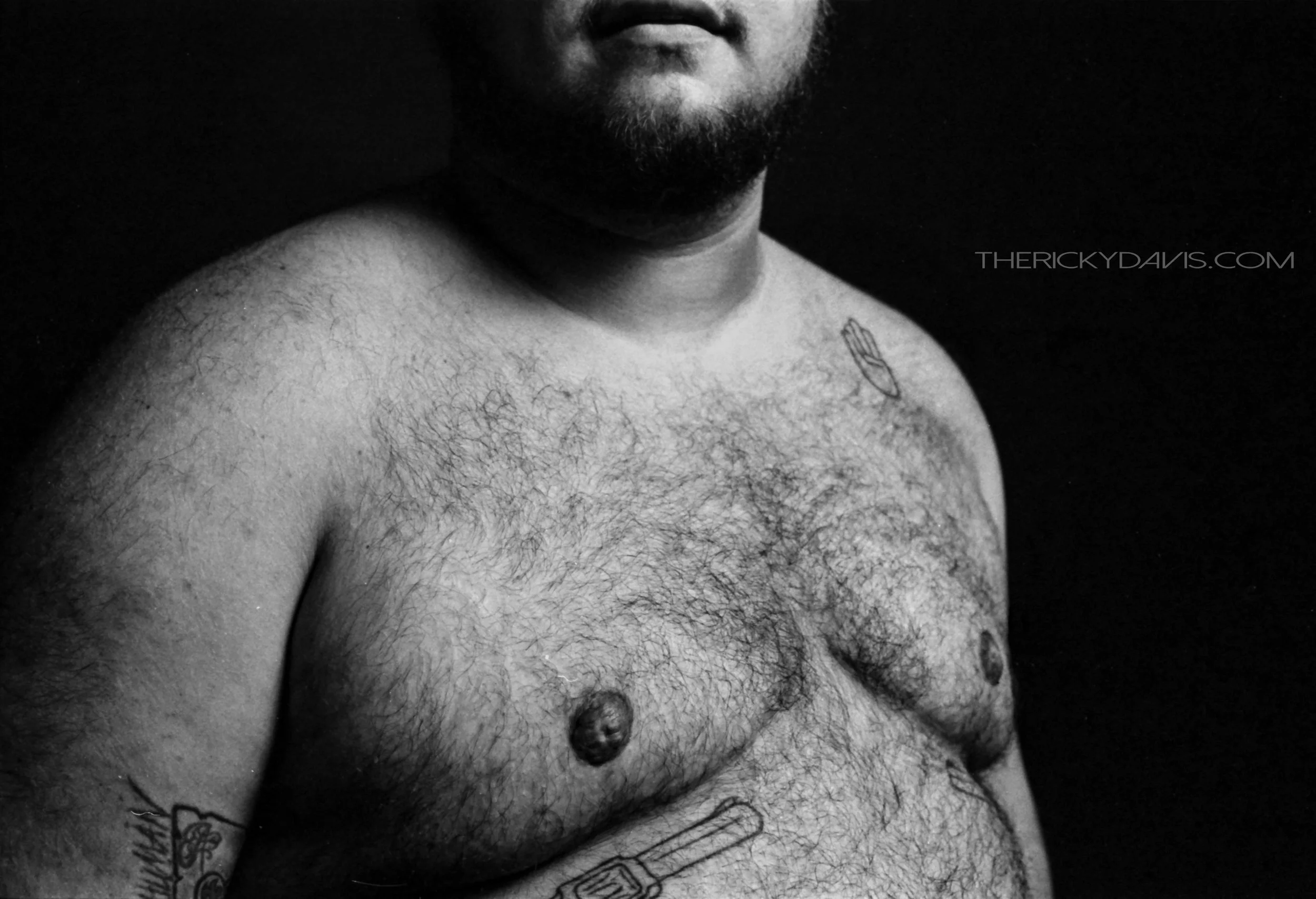
"I am transgender, my scars still tell people that. No one knows that when they see me or meet me, some even after talking to me still have no idea that I was born female. I'm like every other man on a three dollar bill, a masculine queer mess. I'm twenty five years old, I have been transitioning for six years, been on hormones for five years and had top surgery the summer of 2014. I was part of the last generation of Trans individuals who had to adhere to guidelines on our transition, instead of just informed consent for treatment.
I was my high school prom queen, I had good grades, great friends and amazing family. Two weeks after graduation I left though, moved to Orlando Florida and shaved my head bald. I started binding my chest in all the wrong ways, I was constantly making myself sick from the compression on my chest. I attempted suicide in 2010, wrecking my car and making a decision to come out to myself and my family. Fast forward a few years and I had started transitioning, dropped out of school in Orlando, left my boyfriend and moved back home. I worked constantly and saved up about half of the money for my surgery. I was declined insurance coverage for my "cosmetic" surgery after paying out two hundred and fifty bucks a month on insurance I was told, "covered that process". I paid out of pocket for everything, and quit that job. Now I sit pretty on my throne with my fiancé, two dogs, two cats, and my tarantula.
My goal is to be a man that uses his privilege for something more then false security, I want my privilege to help break inequality. My best belief that I practice is, never stop falling in love with strangers, otherwise you will never learn anything new." Andrew
Stay tuned next week for the next in the Beauty Redefined Series.
Beauty Redefined Series - Post #4 - Photographer Ricky Davis

Beauty Redefined Series - Post #4 - Brian Baldwin - Photographer Ricky Davis
Beauty Redefined Series - Post #4 - Brian
"Beauty is....complicated. It's tattoos, piercings, cracks, and scars. It's being nice to your fellow humans and treating people like you want to be treated. It's everything that makes you a better person. Beauty comes from the inside and outside.
We say we want a perfect girl but everyday we prove with our actions that, that isn't true. We want a girl who is crazy enough to be fun and interesting but not crazy enough to get us arrested. We want someone who will be better and make us better because we were together." Brian
Hope you enjoyed reading this week's post from my Beauty Redefined Series. Stay tuned for next week!

Beauty Redefined Series - Post #3 - Photographer Ricky Davis

Beauty Redefined Series - Anonymous - Photographer Ricky Davis
Beauty Redefined Series - Post #3 - Anonymous
" So I'm fighting cancer. Which in and of itself isn't a big deal. It is what it is. But it takes over your body and changes it, inside and out. Things change that you never expected to change. You lose internal organs (for me, a radical hysterectomy). You pump poison into it to try and save you. You lose things that define you, like your long red curly hair. Your shape changes; sometimes you gain weight, sometimes you lose it. You bruise. A LOT. You look tired even when you're not; but lets face it.... you are. It feels violating to have your body betray you and what you felt as your femininity being taken away. I've had people yank off my hats; call me fat and ugly...and I've also had the reverse happen. I've been extremely private about my cancer; it's not public knowledge. But beauty; beauty is inside. But sometimes you need to feel it on the outside too, and our society is harsh about what it considers beautiful. I'm bruised, I'm chubby, I'm bald...but I'm still beautiful."
Anonymous

Beauty Redefined Series - Post #2 - Photographer Ricky Davis
Beauty Redefined Series - Claire & Marty - Photographer Ricky Davis
Beauty Redefined Series - Post #2
"The beauty I see is the devotion I have for caring for a spouse who can't take care of himself any longer. In a world with instant gratification and throw away marriages, I believe there must be beauty in faithfulness...." Claire
We hope you enjoyed this week's Beauty Redefined Series post. Stay tuned for the next one next Friday.
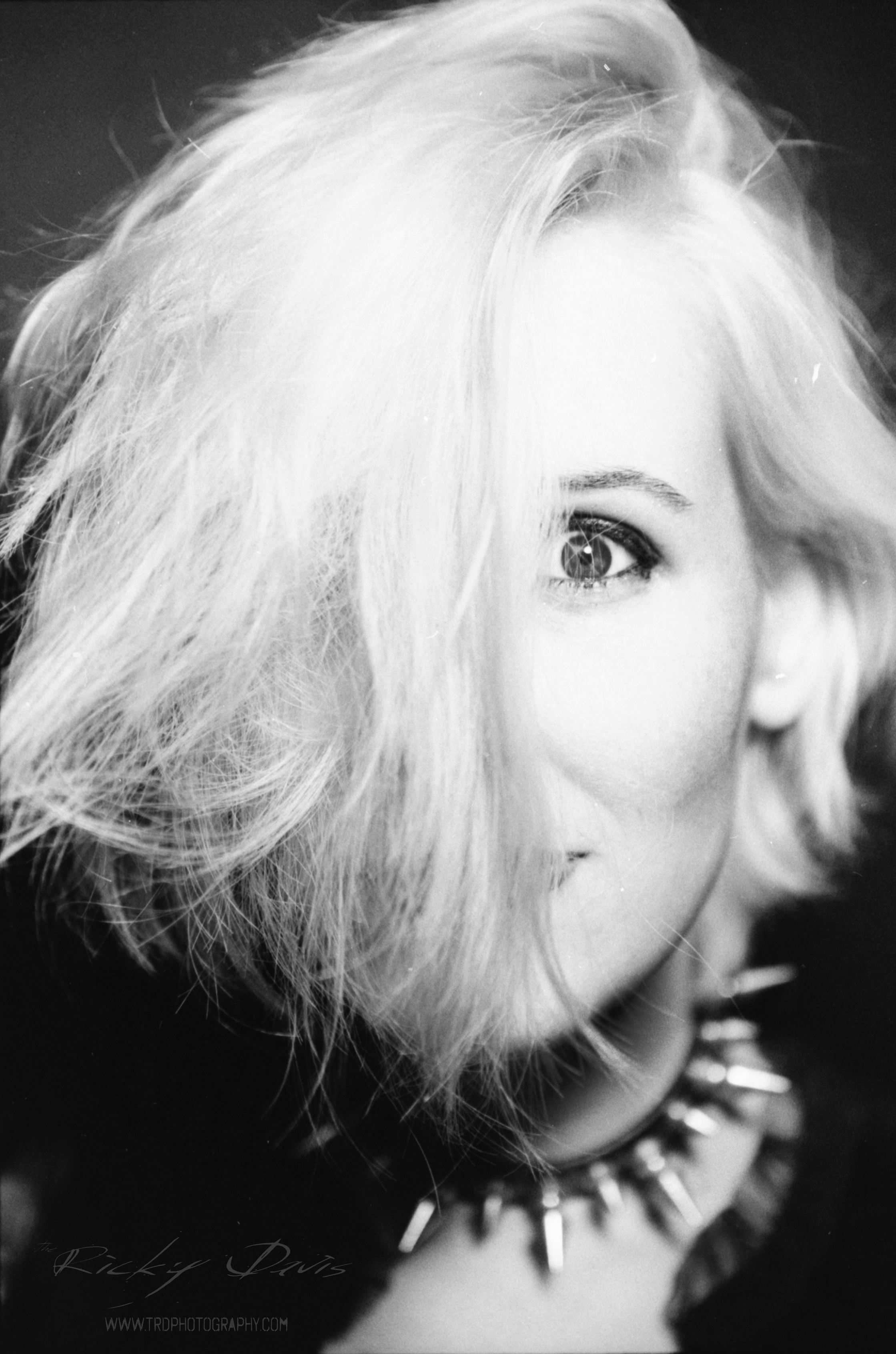
I Am Me - Interview with Tessa Mize by TRD Photography

Tessa Mize - I Am Me - TRD Photography - Interview by Ricky Davis.
Tessa Mize – Interview for I Am Me – TRD Photography
Several years ago, if you’ve followed my work with TRD Photography, you may remember a magazine project I worked on entitled I Am Me. Recently, I decided to reinvent the concept behind I Am Me to use it to share stories of people and what makes them who they are today. We all have a story and my goal is to share these stories of what makes us who we are, hopefully when we see others for who they are behind the surface, we can move to a better place in humanity.
I actually met Tessa several years ago when I had the concept of the first launch of I Am Me. We have become pretty good friends since and I asked her to be a part of this debut sharing her story of her passion for music and how it has helped to shape her. I hope that you enjoy it…

Tessa Mize - TRD Photography - I Am Me Magazine - Photographer Ricky Davis - Film
IAMM – You’ve been involved heavily in music since I’ve known you, what
about music caught your attention in the beginning?
Tessa – It was happy. It was raw emotion. Music says everything that
no one even can in any other way. Before I could walk I would crawl
into my aunt’s room and sit captivatedas she played her flute. I sang to
forget problems. It felt like the most important possession I had. It still is.
I think if you are a music person you are just born obsessed with it.
IAMM – Musically, who has been your inspiration over the years?
Tessa – Amusingly I am all over the board. There can’t be only one. Rush
is a huge deal to me. My dad’s favorite was Rush so I began at a young age.
Ian Anderson, Indigo Girls, Tori Amos, Evanescence, Halestorm, A Perfect Circle, NIN, Tool, Floyd, Zepplin. All of these artists have hit home more than a few times, so I draw from them all. I don’t want to be one genre. I want to be most of them.
IAMM – Do you play any instruments or do you mainly sing?
Tessa – Actually I can play flute and piccolo. I have been attempting learning guitar here & there. I was a band geek from 6-12th grade so I made everyone I was friends with teach me a little of their instrument. So I have toyed with oboe, trumpet, drums, and stuff.

Tessa Mize - TRD Photography - I Am Me - Photographer Ricky Davis - Film
IAMM – If you could do anything in the world that involves music, what would you want to do?
Tessa – I would be in a band. Singing my heart out. Touring. Making albums. Getting paid to do what makes my heart sing. All I have ever wanted to do is sing. Dj/kj’ing is doing the trick for now. But a stadium full of people is what I really want. Dancing & singing along to my music.
IAMM – What’s the best part about doing DJ work?.
Tessa – The best part is getting people on the dance floor, and all the
reactions when I do a karaoke song. I once had a girl stop me on the way to
the restroom one time, and say man you are a tiny little thing. I never expected a voice that big to come out of you. (We became close friends later too) You get to meet all kinds of people. It is a blast.
IAMM – What has been the most adversity that you’ve faced with music?
Tessa – There will always be negative people. Luckily the worst I have come
across is that most rock groups want a male lead. They still underestimate
women. And that’s okay. One day though…
IAMM – As a mom, how important is it to you for your kids to see you really
going for your goals?
Tessa – I am two semesters away from my associates in English. I want
them to see that you can chase your dreams AND have a contingency plan for the during. I am very hard on them about the word can’t. I think it is one of the words that makes me twitch most when it comes out of their mouths. I want themto do whatever they dream. Kira wants to be an artist. Vincent is still at the agewhere he’s like, mom I want to be Batman,
& I’m like, dude if you want to be Batman I am all about it. Batman is awesome!

Tessa Mize - TRD Photography - I Am Me Magazine - Photographer Ricky Davis
IAMM – A lot of people have dreams when they are younger, they want to be rock stars or ballplayers or movie stars or astronauts or whatever, then as they grow older, they put them aside and work in a factory or office
somewhere. Yet here you are, not necessarily living your dream, but you are working in the industry you love, and you still are holding onto your dream. What has allowed you to keep hold of your dream where others have let go of theirs?
Tessa – I am stubborn like my nana & determined like my pop. I don’t let go of things that are important to me very easily. My grandparents on both sides were so incredibly supportive of my music that if I gave it up I wouldn’t just be letting me down. I would be letting down my support group, and allthose I love. I owe them success, or at least I feel like I do.
IAMM – In previous conversations, you’ve talked about your writing. Who inspires you at a writer?
Tessa – My first literary love was Shel Silverstein’s The Giving Tree. I still adore the book, though now I view the meaning very double edged. I also love Edna St. Vincent Millay & Poe. & I am big into Ayn Rand. Philosophy is stinking awesome.
IAMM – I’m a huge Poe fan myself. To wrap things up, what is a final thought you’d like to share with those of us that may have put our dreams up on a shelf at some point?
Tessa – Other than your family, debt, beliefs, where is your passion going if your dreams are sitting on the shelf? I just feel like if you give up on them, then you have given up the thing that makes you you the most. I am finally at a point where I like me. That is part of the package. I am lucky that I have a guy that helps instill that in our kids. & that supports it in me. Giving up isn’t an option..In the words of my favorite blind melon song, keep on dreaming cause when you stop dreaming then it’s time to die.

Tessa Mize - TRD Photography - I Am Me magazine - Photographer Ricky Davis
I truly hoped that you enjoyed reading Tessa’s story. We’d love to hear your thoughts, so feel free to comment below.
Thank you so much,
Ricky
Memories of a Combat Photographer in Vietnam - Air Force Staff Sgt. Bill Potter - TRD Photography
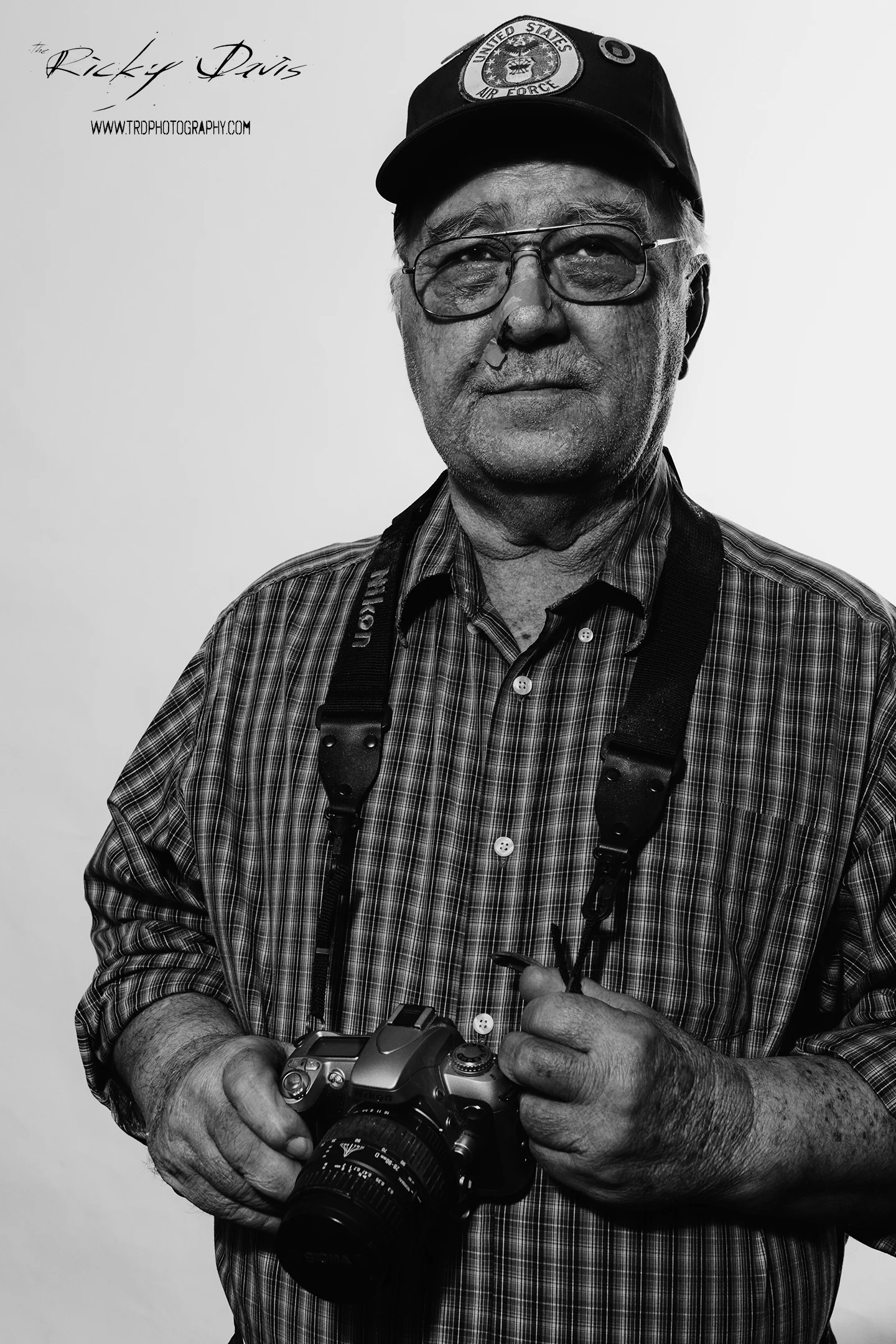
Vietnam Veteran Combat Photographer - Staff Sgt. Bill Potter - Photo - Ricky Davis of TRD Photography - Canon 6D.
Memories of a Combat Photographer in Vietnam. - Air Force Bill Potter
"I went into town with an old boy, he'd been going into town for awhile. His name was Simpson. He was a black guy and we went into a bar. I didn't know where the hell it was. Come to find out it was two blocks from VC territory. I went in and had a couple of beers. I didn't think nothing about it. Luckily I had enough sense after having a couple of beers that I walked out of the damn bar. I walked across the street. As I got to the other side of the street, the damn bar blowed up. A damn kid, couldn't have been more than twelve years old, had parked a damn bicycle right outside that damn bar. It was loaded with dynamite or something. It blowed that bar all to hell. When I got across the street and that bar blew up, I caught the first damn taxi back to base and I stayed there. I never come off that base again."
With that story, my time of getting to talk to Air Force Staff Sgt. Bill Potter began. So far my Veteran series has consisted of mainly WWII Veterans, but I've been interested in Vietnam era history since I was a teenager. I was so honored to get to sit down with Staff Sgt. Potter, who served as a combat photographer in Vietnam for the Air Force. I am grateful to his daughter, Mary, for setting up his session. Mary also served in the Air Force during the Iraq War as an A1C and is a fourth generation veteran. Her great great grandfather, Joseph Lee Cross served in WWI, her grandfather, Donald D. Rule in WWII, her dad in Vietnam, and she served in Iraq.

Four Generations of American Heroes who served in WWI, WWII, Vietnam, and Iraq. Photo - Ricky Davis of TRD Photography - Canon 6D
" I joined in October 1963. I went to Okinawa. So I figured I'm safe, I won't end up in Vietnam. Wrong. I didn't look at the damn map, but Okinawa ain't that damn far from Saigon. This was on a Friday. Our NCO came and asked what we were doing that weekend. I said what we usually do. Go to town, get drunk, sleep it off so we can be ready to go back to work on Monday. He said 'well don't go anywhere yet. Stick around for a little while.' We had no idea what the hell was going on because we hadn't heard anything that was going on. A few hours later, this idiot came flying down the runway. He had a stack of orders for each one of us. In the meantime, a 124 had pulled up on the runway right next to our office. When that guy came in with all the orders, are NCO came in and said you got thirty minutes. Go to the barracks, pack your shit, and get back down here. When we got back down there, he said to load it on the 124. We've already got it loaded with your PPC, which was your portable processing center. So we did and we got on the plane. And that was the worst flying plane ever. It couldn't have been a 130, which was smooth. But that 124 we got on and we got into Saigon at two o'clock in the morning. We had to walk all the way across the base to get our blankets and mosquito nets. Then we had to walk all the way back across the base in the pitch black. We got to our tents, which were WWII issued tents. They were supposed to be for up to six men to a tent. Well we had anywhere from 10-14 men to a tent. Needless to say, they were crowded. We got into our damn tents, all the mosquito nets and shit put up and about the time we got in bed, it was time to get up. "
Staff Sgt Bill Potter - Photo by Ricky Davis of TRD Photography - Film - Fuji Acros 100
"Where I had to work was where we processed all of the aerial film that the 101's had shot. I remember one night I was on duty and we had a Lieutenant and Captain that had flown a mission come in. They had flown out over Cambodia and then down through North Vietnam and back. They brought the film in and I took it and put it in the processor. The film was on rolls. The rolls consisted of anywhere from 800-1200 feet of film. While it was being processed I had to go into another room. Then came in the Lieutenant came in and asked about his film. He asked if it was done and I said it'd be done in a few minutes, if he wanted to wait. He asked where it was and I said in there if you wanna see it. He walked in and he looked at the Captains, and it was perfect. He walked over and looked at his and it looked like shit. What had happened was whoever set up his camera on his plane set it up for night vision, not daytime. And it screwed it all up, and his came out not worth a shit. Luckily, the Captains was perfect. He came out cussing and was fit to be tied. He took off back to the flight line. I told them, oh my God, I hope to God. I'm glad that wasn't me. I know someone got their butt chewed."

Staff Sgt Bill Potter - Photo - Ricky Davis of TRD Photography - Film - Fuji Acros 100
" There was one bar owner that had a monkey. If you weren't careful and you sat at the bar, this monkey would shit and throw it at ya. We had a Green Beret that came in there one day. He was pissed. This monkey came in and threw shit at him. It pissed the Green Beret off. He yelled at the bar owner, is that your monkey? The guy said yeah. The Green Beret said if he throws shit at me one more time, I'm going to kill him. The bartender thought he was kidding. It wasn't a few minutes later that damn monkey did it again. That Green Beret pulled out his damn .45 and he blew that monkey into the next world. I mean he killed him deader than hell. It was hilarious. Little shit like that helped you make it. It helped to pass the time."

Staff Sgt Bill Potter and his daughter Mary. Photo - Ricky Davis of TRD Photography - Canon 6D
"The only real way that you could survive over there was to stay half-drunk, and I did. I stayed about half-drunk. I spent eighteen months and three days in Vietnam. Processing film was probably about eight months, and the other ten months I spent out shooting. It was unreal. If I could go back and do it over again, I wouldn't really do anything different. When we first got into Vietnam, we were in our tents and we heard the most God awful noise we ever heard. We came running out of our tents trying to figure out what it was. It was a damn coup. He was flying in a damn helicopter flying around our tents. It was unreal. "

Staff Sgt Bill Potter - Photo by Ricky Davis of TRD Photography - Canon 6D
" I got into photography at Lackland. They assigned me photography and then assigned me to Lowry Air Force base. That's where I had photo school. From there is where I got sent to Okinawa, and then from Okinawa to Vietnam, then from Vietnam I went to Japan, Alaska, Singapore, and Thailand. Then in Florida, I got the best damn duty I'd ever had. I got sent to the climatic lab. I was the only military person there. The only other people there were civilians. I had my own little office. Anytime they wanted pictures, they'd call me and I'd go down and do them. They could drop that temperature in the main lab to minus 65 degrees. We had a B-52 bomber in there. It was enormous. I got pictures in my house with ice hanging off of it. But my favorite was the SR-71 Blackbird. That son of a gun was gorgeous. I loved that plane. I really did.

Staff Sgt. Bill Potter - Photo - Ricky Davis of TRD Photography - Film - Fuji Acros 100
"After Vietnam, I was in Thailand. It was a Friday and one of the officers came up to me and said what are you gonna do this weekend. I said what we usually do. Go into the town, it wasn't much of a town though, and have a couple beers. He said, why don't you stick around a little while. I said oh shit, here we go again. It was me and another guy that hadn't been there too long. He went and got another guy and brought him back. I knew they were fixing to screw us again. I could feel it coming on. He came back and brought us orders, and it was one of the best damn surprises that I ever had. What it was, we got sent to the kings summer palace in Thailand. And I'll be damned, come to find out that we were sent up in the mountains and once we got up there and it was gorgeous! It had this great big damn wall all the way around it. At the entrance you gotta take off your shoes. I was like damn, well there goes our shoes. I figured as soon as we took them off they were going to steal them. We took our shoes off and walked in. Lining the wall on the inside all the way around were forty foot tall, pure gold Buddhas. Pure gold! I looked at this old boy that was with me, and I was like can we have a finger. These people are living in poverty and these were just the little ones. In the middle of this was the big Buddha. It was about sixty foot tall and that's where all the Buddhists go in to pray. You can walk in and look, but this big Buddha in the middle of this thing was pure gold and it weighed I'd say one hundred and twenty tons. These were all standing Buddhas. "
Before we sat down to talk, Mary brought in various slides that Staff Sgt. Potter had taken while in Vietnam. There were various aircraft photos and napalm explosions. Towards the end of those slides, there were some where some Viet Cong had captured a man on a bicycle and proceeded to behead him, and stick his head on a stake in the road. At the end of our interview, I asked Staff Sgt. Potter about those slides because I was blown away by how tight the shots were.
"I was using about a 200mm. I'd say I was about twenty-twenty five feet away. They weren't worried about me. They didn't give a shit. He was another Vietnamese. They had caught him coming down that damn road on a bicycle and that was it. "
I really enjoyed getting to speak with Staff Sgt. Potter and A1C Mary Potter. As a teenager, I was really interested in the Vietnam War. Getting to speak and listen to stories about the war, and his other experiences after his tour in Vietnam was extremely informative, and just an amazing experience. I really hope that you enjoyed reading some of his story as much as I enjoyed hearing it myself.
Ricky
WWII/Vietnam Veteran Master Sgt. Cletis Bailey, Air Force - Photographer Ricky Davis
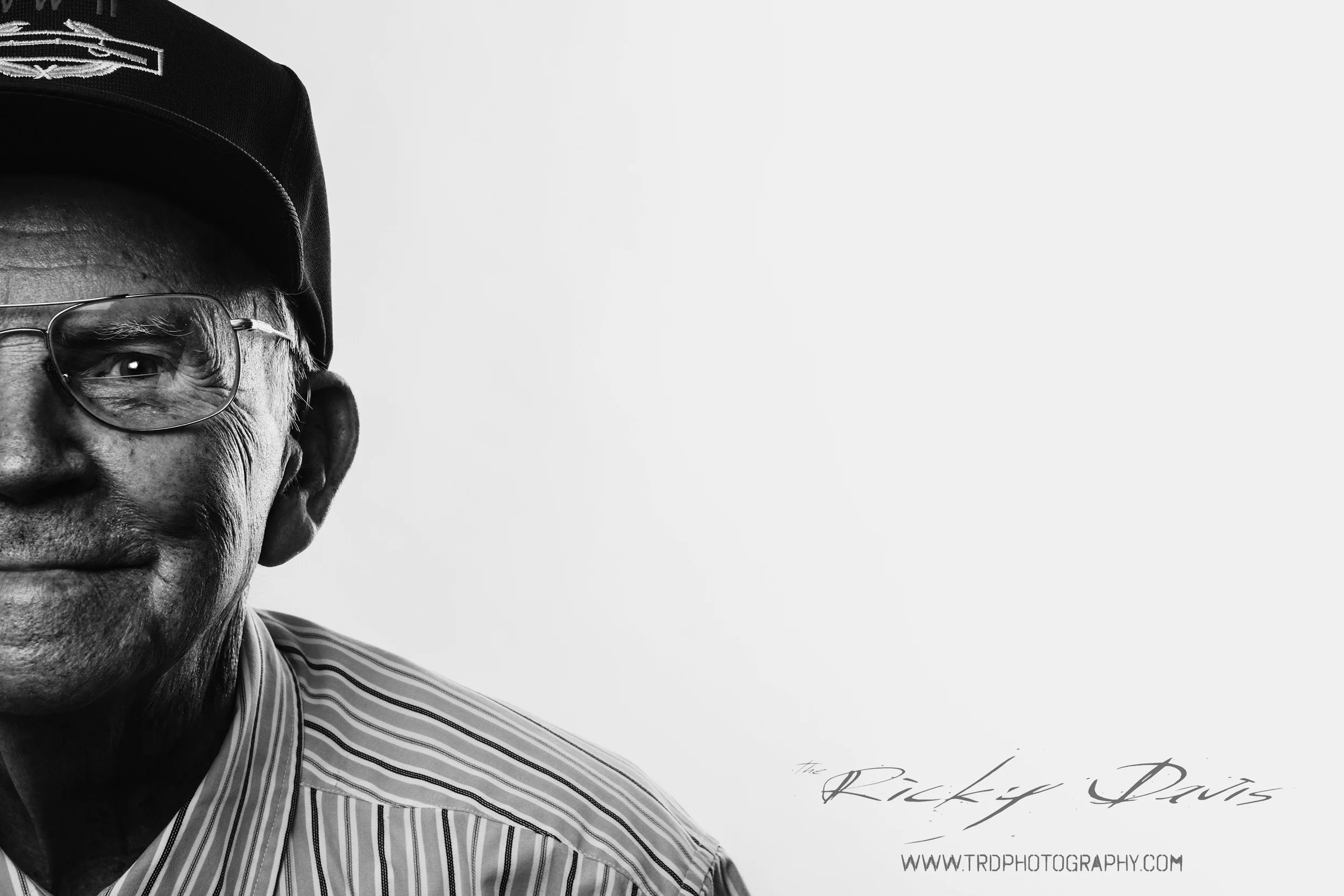
WWII & Vietnam Veteran - Master Sgt. Cletis Bailey, Air Force - Photo by Photographer Ricky Davis of TRD Photography - Canon 6D.
WWII & Vietnam Veteran - Master Sgt. Cletis Bailey
Meeting Mr. Bailey has been one of the most pleasurable experiences that I have had. This man is so good natured and friendly. His was a very interesting story and actually spans two of America's biggest conflicts as he served not only in World War II, but he also served two tours in Vietnam.
"I was drafted and took my basic training in Camp Blanding, Florida. About seventeen weeks of intensive training and pretty soon I found myself in Germany. I was assigned to the 84th Infantry Division and that was at the tail end of The Battle of the Bulge. I think I joined up with them in Belgium and then we went into Germany, up on the Roer River. We kinda dug in there and waited for the crossing. It had flooded. I joined as a replacement. Later on, when the situation had normalized, we made that river crossing and headed on into Germany. :
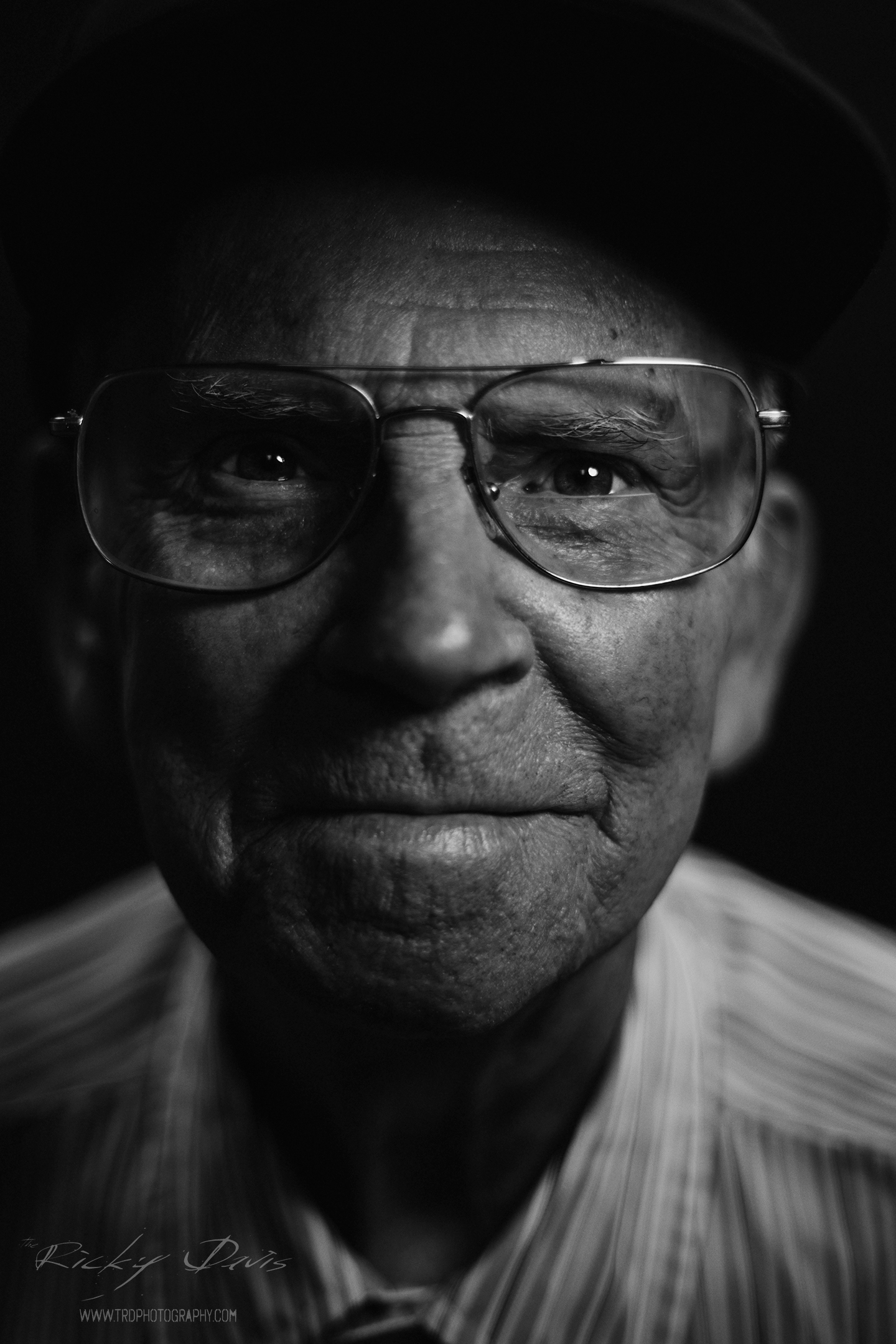
WWII & Vietnam Veteran - Master Sgt Cletis Bailey - Air Force - Photo by Ricky Davis of TRD Photography - Canon 6D.
"Being in infantry, we did a lot of walking. The main activity that I was involved is was there was three of us after we finally took this town. We had lost 8 or 9 men taking that town. It was well defended with German paratroopers. After we had finally crossed the field, there was three of us assigned to go back across that field because we was short of ammunition. I didn't volunteer for that either. I didn't have a chance to back out. So anyway, we made it but there was a German sniper firing at us all the way over there. You could see the bullets hitting in between us. So one of the guys said I ain't about to go back over there. We'll get killed. But with all the stuff happening over there, tree bursts and mortars we'll surely get killed if we'd stayed over there. So we made it back across the field. But with all the shelling coming in, when we were heading out one of the guys up ahead got decapitated. "
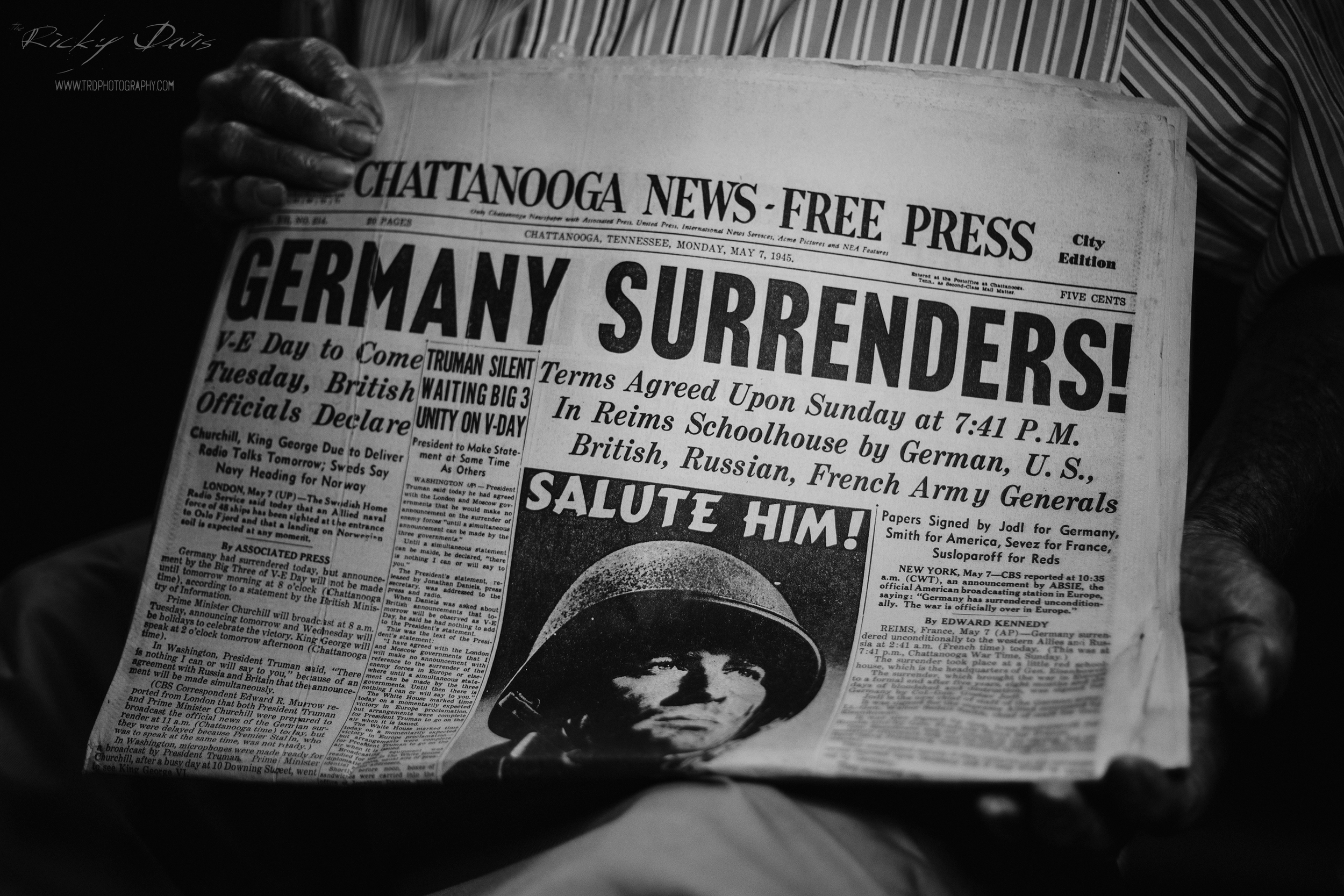
Original Paper from 1945 of the Chattanooga Free Press - Photo by Ricky Davis of TRD Photography - Canon 6D
"At the end of the War I was at the Elbe River. I came back to the States in 46, and stayed in the reserves for a little bit. I was working in Chattanooga but all of my friends had gotten out or left, so I decided to get back in the service. I went and got a little better education and then I was able to get in the Air Force. I still keep in contact with two or three guys I served in the 84th with. One of them was talking about when we shared a hole on the river. The Germans were across the river and they'd take shots across the river. They called us 'Roosevelt's Henchmen'. They say 'Roosevelt's Henchmen we're going to annihilate you.' So that was interesting. The was my introduction to German soil. That's where I earned my combat infantry.
I feel like I really played a small role. We had lost so many men, that's why I was selected as a replacement because we'd lost so many men at the Battle of the Bulge. They are the ones the did it. It was tragic as it was getting close to the end and losing so many men. I loved the old timers. One fella that I had hunkered down with the night before taking one stinking town, he got killed. Another one told his buddy that he had a feeling that he wasn't going to make it. They called him Chief because he was Indian. He got killed taking this town. They told him to just stay back, but he said no. I've been with you this long. He had been with them a real long time. That's the way it happens some times. "
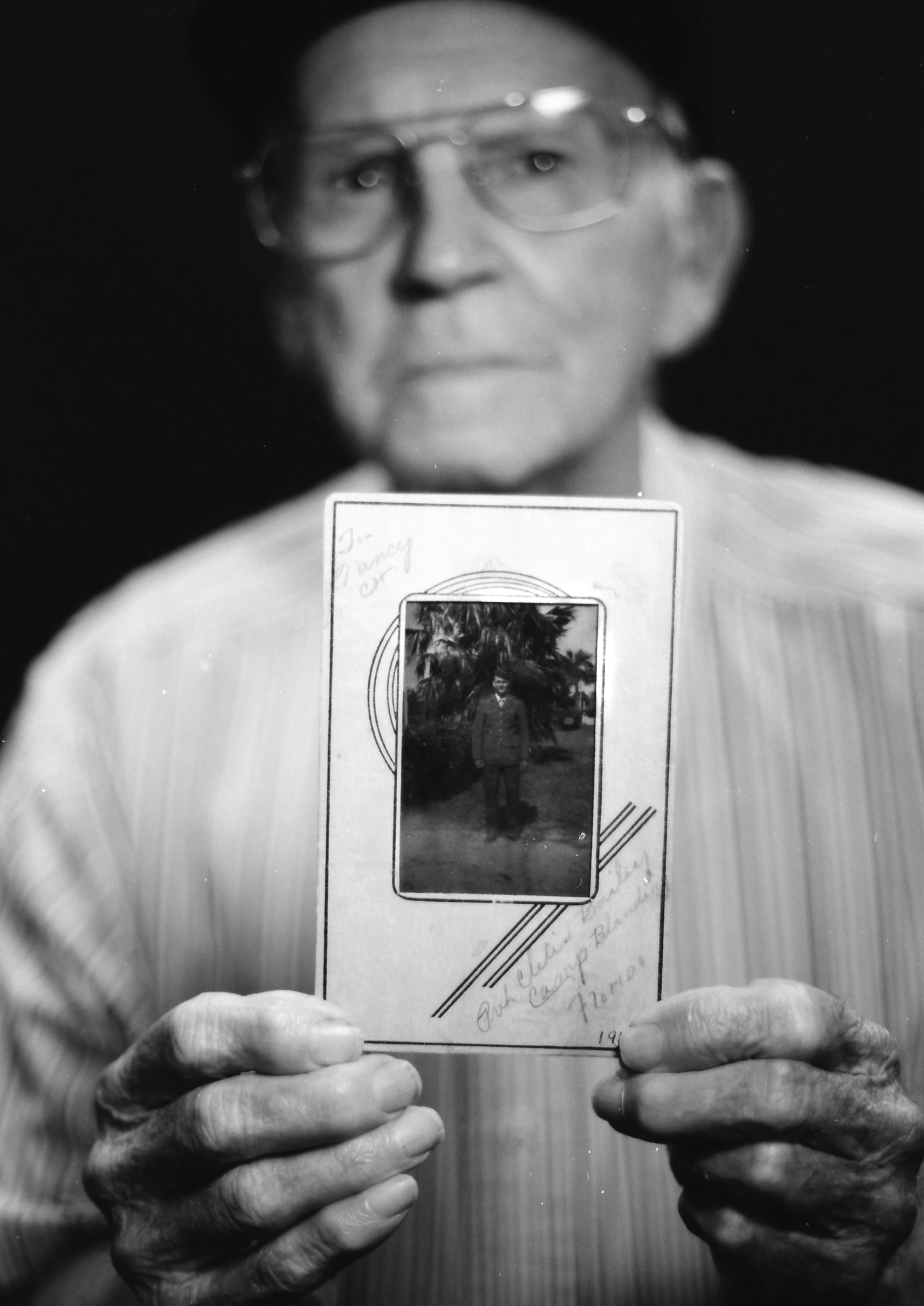
Master Sgt. Cletis Bailey - Air Force holding a photo from his younger days. Photo by Ricky Davis of TRD Photography - FIlm - Tmax 100
"In Vietnam, it was a lot different. I didn't have to go on any patrols or anything like that. It was a different story in Vietnam though. I had a desk job, I was in accounting and finance taking care of military pay and travel. I needed some information from personnel next door. I walked over there and was talking to the sergeant and got what I needed. I stepped back outside and a rocket came in and took off the whole end of the building. It killed him. That was pretty close. So you never knew when you were gonna get it over there. Whether you were at a desk or out with the infantry in the field. The rockets were always coming in. But I led kind of a charmed life over there. I'm glad to be here, I'm glad to be anywhere, I enjoy living. "

Master Sgt. Cletis Bailey - Air Force - Photo by Photographer Ricky Davis of TRD Photography - Canon 6D.
To finish talking with Mr. Bailey I asked him "with serving in both World War II and in Vietnam, what was the difference in the way that the soldiers were treated coming back from the war."
"That was a different story wasn't it? That war just wasn't accepted. So Vietnam Veterans just got the short end of the stick so to speak, they got mistreated. Through no fault of their own, we were just doing our job. It was a lot of politics I think. We lost a lot of men over there. I went to Washington DC and visiting the Memorial. I found Sgt. Dark's name, the fella that got killed, and I made an impression. "

Master Sgt. Cletis Bailey - Air Force - Photo by Photographer Ricky Davis of TRD Photography - Canon 6D.
I thoroughly enjoyed my time speaking with and listening to Mr. Bailey. He had so much life and zeal about him. He really brought a ray of light into my world and I hope that his story resonates with you and touches you as well.
If you know any World War II Veterans, Korean Veterans, or Vietnam Veterans, I would love to include them in my project and share their story. Please email me at trd@trdphotography.com
Spirit of 45- 70th Anniversary of V-J Day.
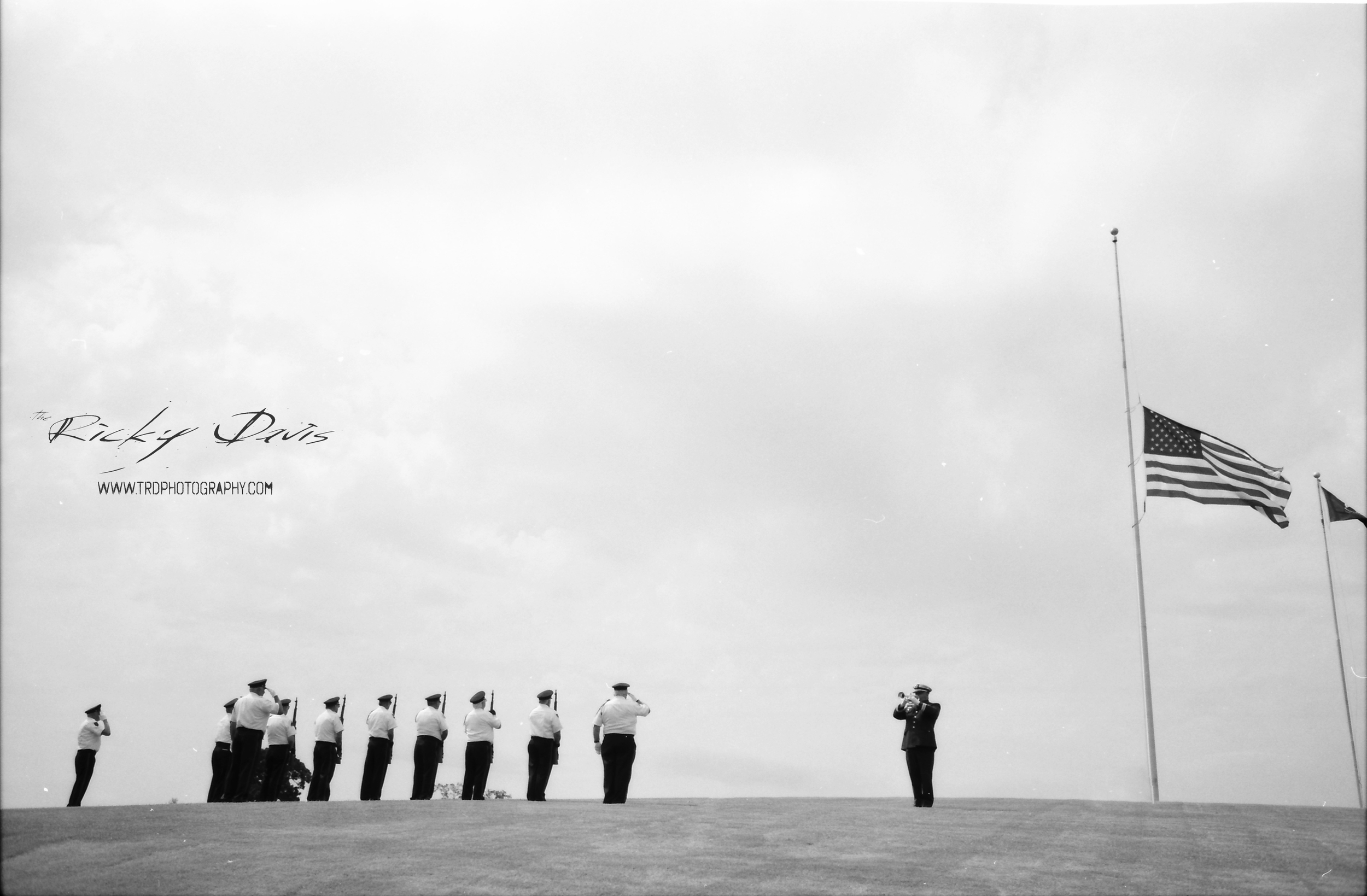
21 Gun Salute and Taps - Vietnam Veterans of America Chapter 203 - Bugles Across America - David A. Cox - Photo by Photographer Ricky Davis of TRD Photography - Film - Tmax 100
Spirit of 45 - The 70th Anniversary of V-J Day - August 14 2015
As those of you that have been reading a lot of my recent posts, I've begun work on a WWII Veteran Photographic Series. Recently a friend of mine shared with me information about a V-J Day event taking place here in Chattanooga, TN. I'm so glad that she did! I hadn't heard of the event but it really had an amazing impact on me.

A WWII Veteran being brought to join fellow Vets before the ceremony. Photo by photographer Ricky Davis of TRD Photography - Film - Kodak Tmax100
Growing up I've heard of different events such as this, but this is the first time I've gotten to attend. I honestly didn't know what to expect. I arrived about forty-five minutes before the ceremony was set to take place because I hoped to get to talk to some of the Veterans. When I first arrived I met David Cox, who happened to be performing Taps on the bugle for this event. Not only have I never been to a military event like this, I've never really shot at ceremonies other than weddings. I also shot this entire event in film only, which was another first. I was just crossing my fingers that they'd turn out.

Bugle Player - David A Cox. Photo by Photographer Ricky Davis of TRD Photography. Film - Tmax 100.
Having no experience at an event like this, I didn't take as many photographs as I would have liked. So many of the parts of the ceremony we were standing, with our hand over our hearts. Sometimes these days we become so embittered with politics and bi-partisan fighting that we have forgotten what our country was founded on, what our men and women in the armed forces have fought for. It can be enough to really question what the whole thing is about anymore, and to be honest, I've been guilty of that myself.

V-J Day Anniversary - Photo by Photographer Ricky Davis of TRD Photography - Film - Tmax100.
Midway through the ceremony I had such a surreal moment that really just made me stop and question so much. A singer stood up and started singing our National Anthem, a song that we all have heard countless times before. Shortly into the song, softly I heard a raspy voice from where the WWII Veterans were standing start to sing. Slowly, more voices joined in. The voices weren't loud, but they were passionate. It was such a haunting experience for me hearing these men that are all pushing 90 or round about singing about their love and commitment to this great country that we have. That one moment stands out to me as not only a highlight of the event, but a highlight in my life.
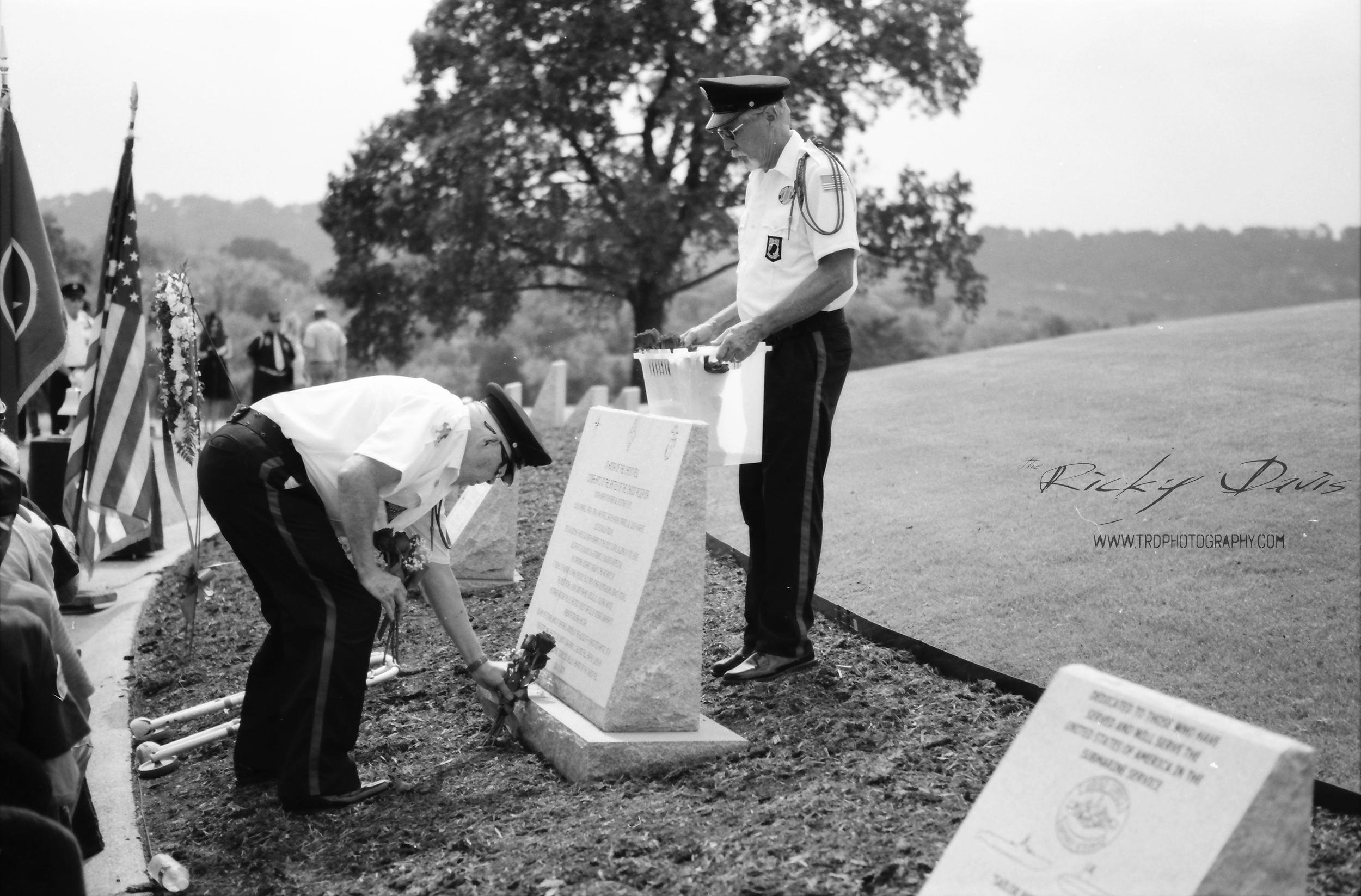
Wreath Laying Ceremony - Spirit of 75 V-J Day Event - Photo by Photographer Ricky Davis of TRD Photography - Film - Tmax100
Originally I went to this event hoping to visit and talk with some WWII Veterans, and hopefully meet some men for my WWII Photographic Project. Both before and after though, I sat down and just listened. I listened to grown sons, one of which served in Vietnam, talking about their dads. One had brought framed flags and such that his dad had brought back from Japan. A local school attended as part of a field trip, and while a lot of kids were goofing off, I watched as this veterans son took the time to talk and show some of the kids these WWII relics and telling them stories of his dad, and I saw these kids eyes light up and take it all in.

Medal of Honor Recipient - Charles Coolidge - Photo by Photographer Ricky Davis of TRD Photography - Film - Tmax100
I watched as many of the WWII veterans gathered afterwards in the heat, waiting in a line to say a few words to Medal of Honor Recipient Charles Cooldige. He was a celebrity among these American Heroes. Look him up and read his story. It's amazing.
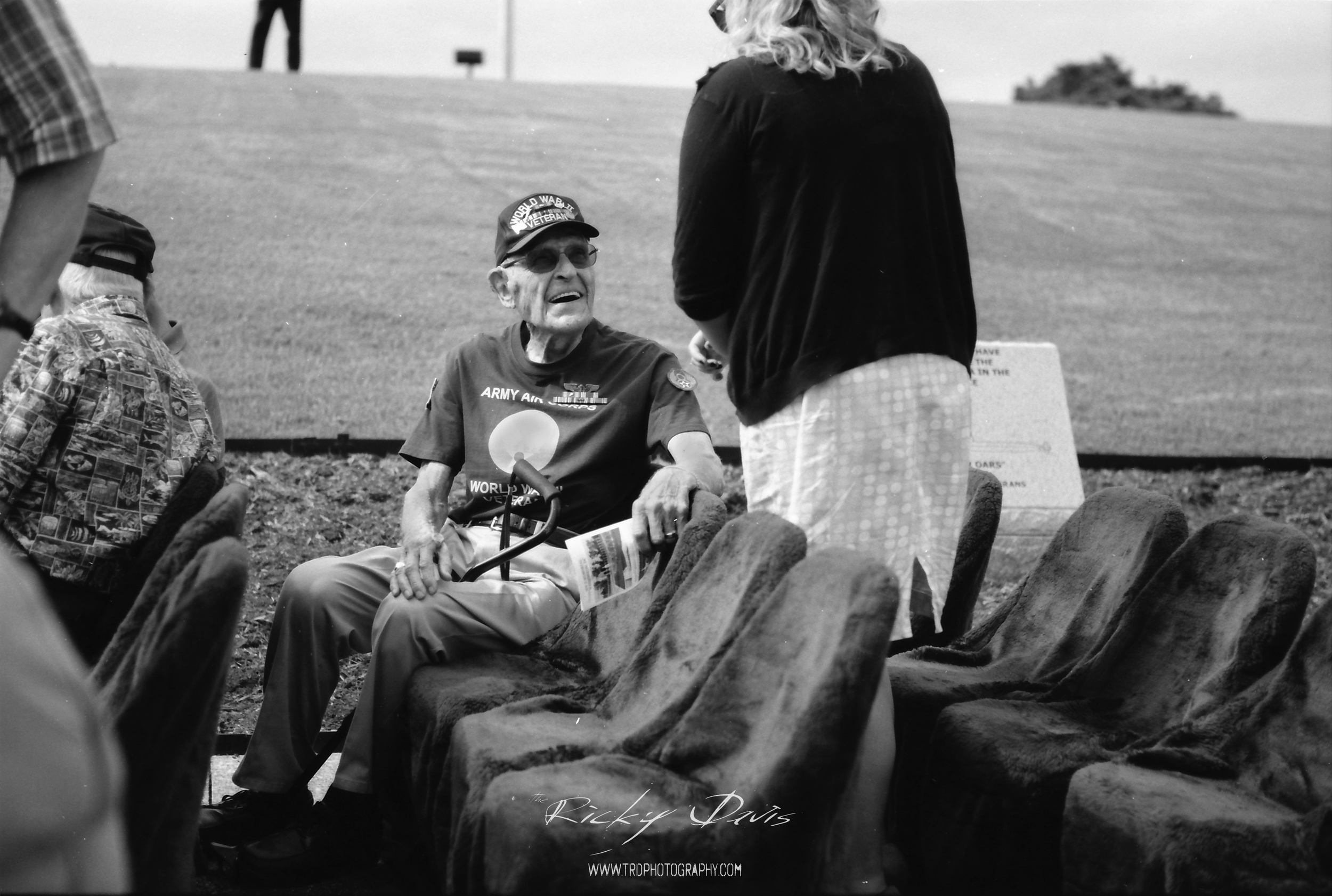
V-J Day Ceremony - Photographer Ricky Davis of TRD Photography - Film - Tmax100
So while I had planned on visiting, I took the day to just take it all in. It was such a privilege to see how happy these men were seeing each other and talking, at every turn someone was talking to someone else and waiting to give out hugs and pats on the shoulder. I feel so honored to be an American. Seeing these men, not fully understanding the sacrifices that they made for us, but starting to see a glimpse of that, really makes me want to do what I can to make a difference. I hope, I pray, that some of the stories that these men are sharing, that are out there will help make a difference in your life as it has in mine. Our country hasn't always been perfect, and it's not perfect now, but we are extremely blessed to be a part of it. And we owe the freedoms that we have, to these men and women. So next time you see a Vet, please be sure to thank them for their service.
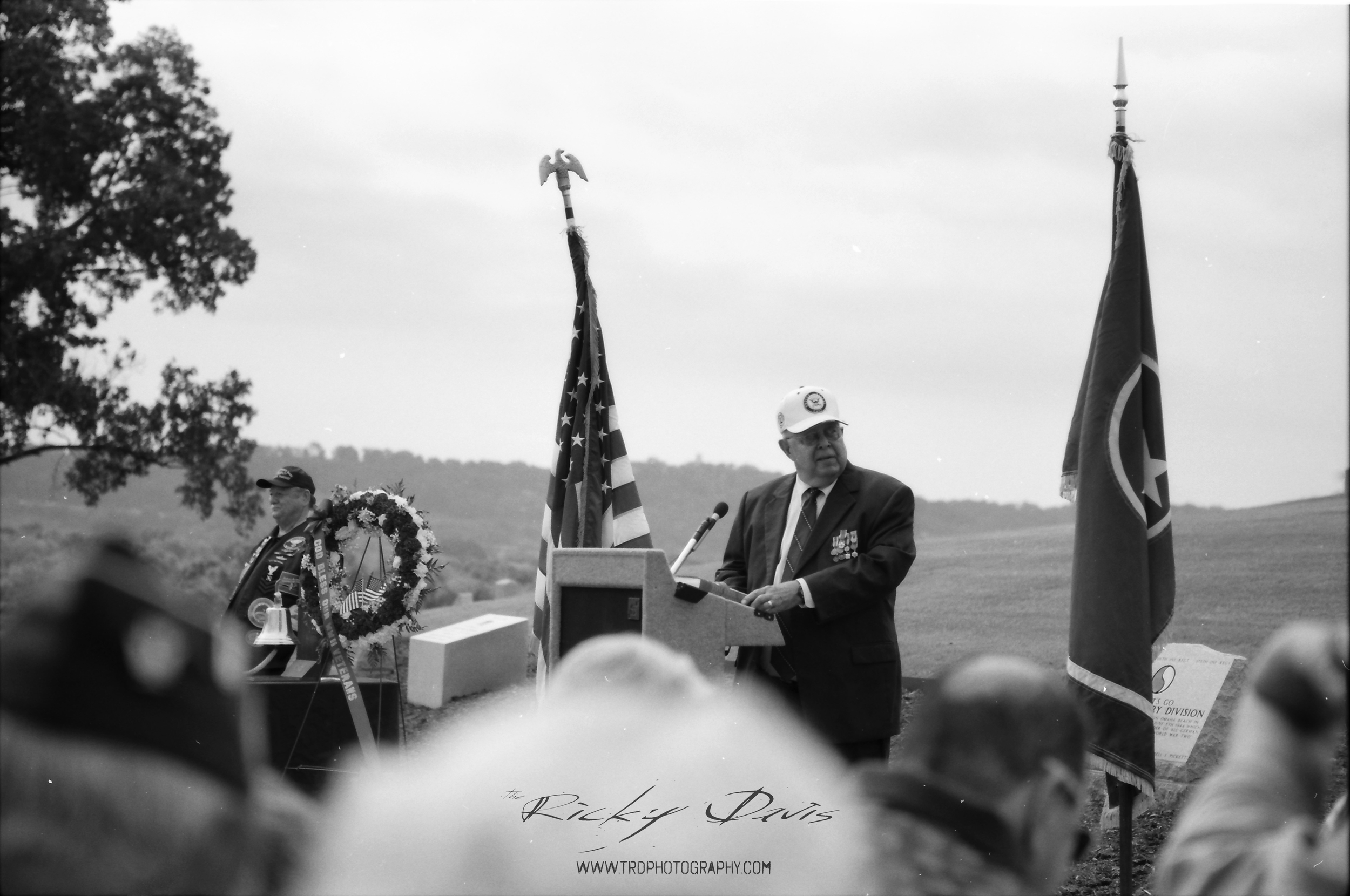
V-J Day Event - Photo by Photographer Ricky Davis of TRD Photography - Film - Tmax100
If you know of someone that served in World War II, Korea, or in Vietnam - please send me an email to trd@trdphotography.com I would love to work with them on my Veteran project. Thank you!
Ricky
WWII Veteran Photographic Series - Sgt. Ferdinand Moreno - Photographer Ricky Davis

WWII Veteran Photographic Series - Sgt. Ferdinand Moreno - Photographer Ricky Davis - Shot with Canon 6D.
WWII Veteran Photographic Series - Sgt. Ferdinand Moreno
I've really been looking forward to this second entry in my series of WWII Veteran Portraits. This particular session was probably the toughest photo session on me personally that I've ever shot. When I first had the idea of doing this series, I pictured getting to sit around talking to veterans who were anxiously wanting to share their stories with whoever wanted to listen. With the first session, I was told that Mr. Davis had dementia. When I arrived he had forgotten a lot of things, but it was very pleasant conversation. With Sgt. Moreno, again I was told that he had dementia and I expected something similar to the conversation with Mr. Davis. I was mistaken.
When I arrived I found that his condition was a lot different than Mr. Davis. Sgt. Moreno's health is where he cannot speak. I found out from his nephew, who is his caretaker that he really hadn't been able to speak for a couple of months.. Even though he couldn't talk, I had a conversation with him, and his eyes, his eyes really reached into my chest and I felt like it was ripping my heart out. I've never been impacted by a session like I was by his. On his photos, I didn't shoot as many of Sgt. Moreno himself, because I wanted to capture his dignity and with his health, it was harder to do that. Please read further though as I was able to talk to his brother who shared with me some stories of his time in WWII, and Sgt. Moreno had some amazing war trophies that he brought home from the War that I photographed as well.
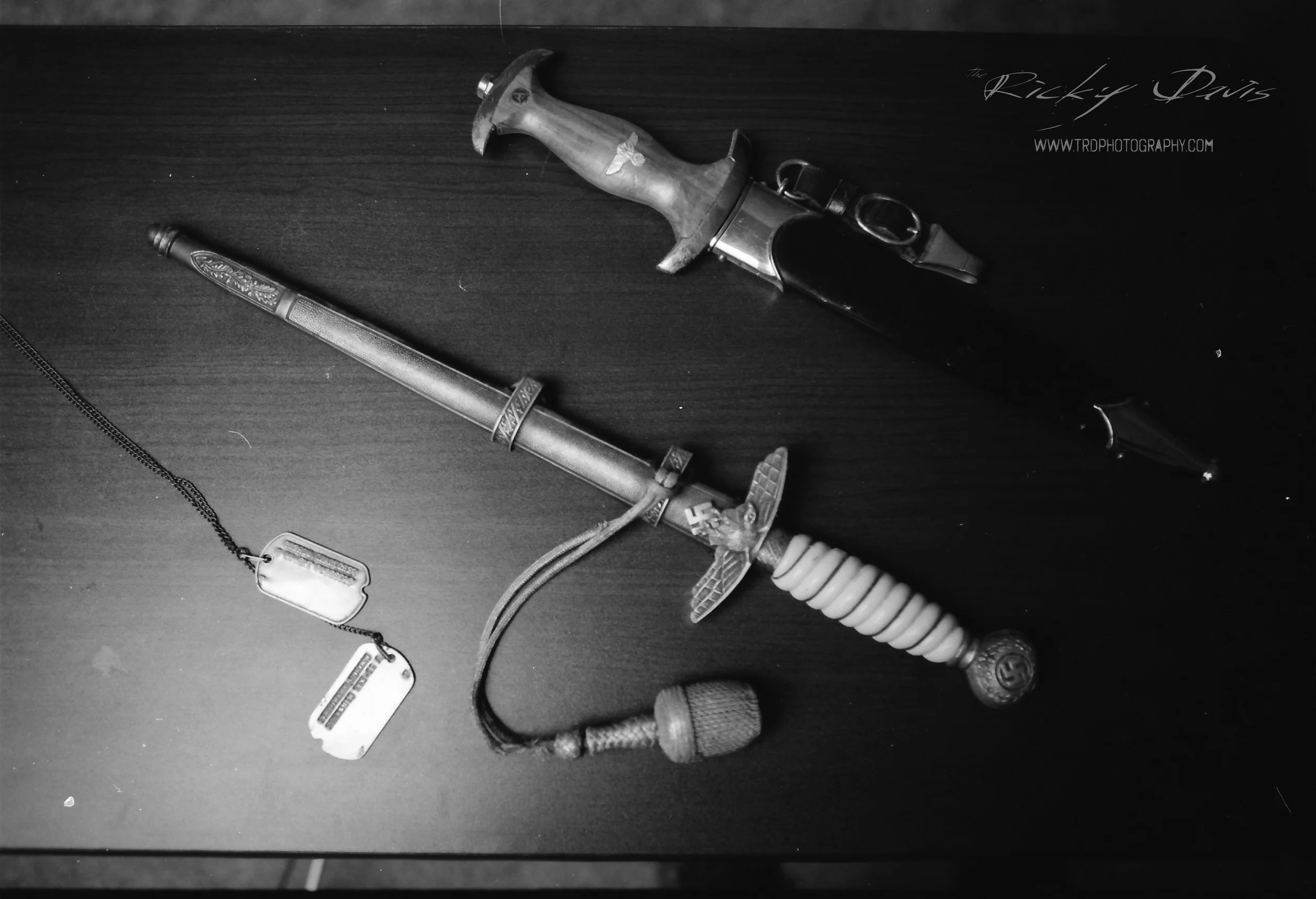
WWII Photographic Series - Sgt. Ferdinand Moreno - Photographer Ricky Davis - Film - Expired Kodak Tmax100
It took a couple of weeks but I was finally able to speak with Sgt. Moreno's brother, Malcolm, about World War II and what his brother did during the War. This is what I was told.
Sgt. Moreno was drafted into the Army. He didn't know which company or anything like that, but he said he was supposed to be in a tank. Sgt. Moreno had told him about the army showing photographs of what was happening with the German's armor piercing bullets. How they'd cut through the tanks and explode. Around that time they were asking volunteers to go into the infantry and Sgt. Moreno volunteered to go into infantry instead.
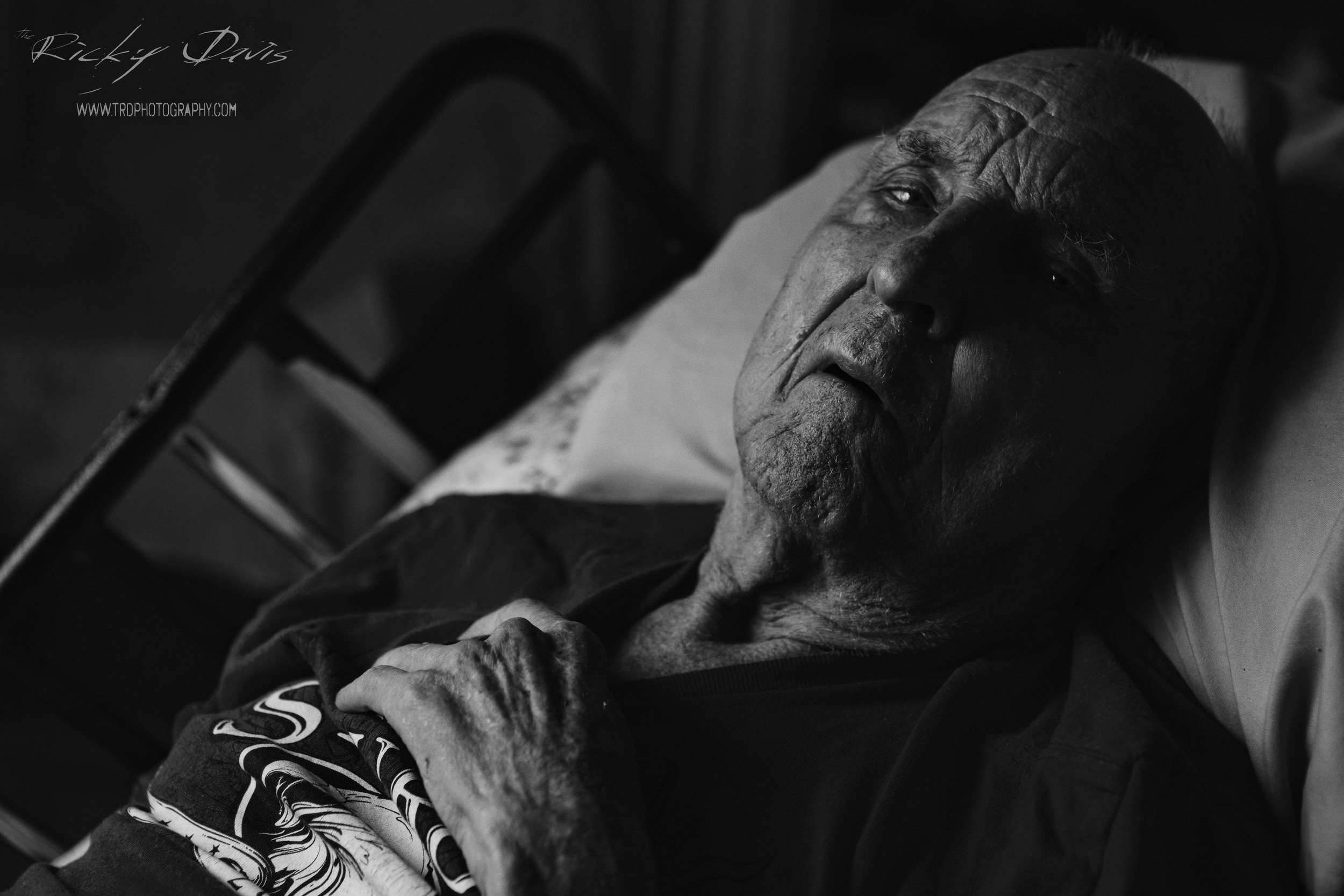
WWII Photographic Series - Sgt. Ferdinand Moreno - Photographer Ricky Davis - Shot with Canon 6D.
Malcolm told me that Ferd, as he affectionately calls his brother, didn't really like to talk about the war. He would only tell a couple of stories. He had a lot of demons from things he saw in the war. He helped to free a couple of the concentration camps and said that he would rather die than to ever surrender to the Germans. I'm going to share with you a story that I was told by Malcolm about a time that Sgt. Moreno was involved in an ambush.
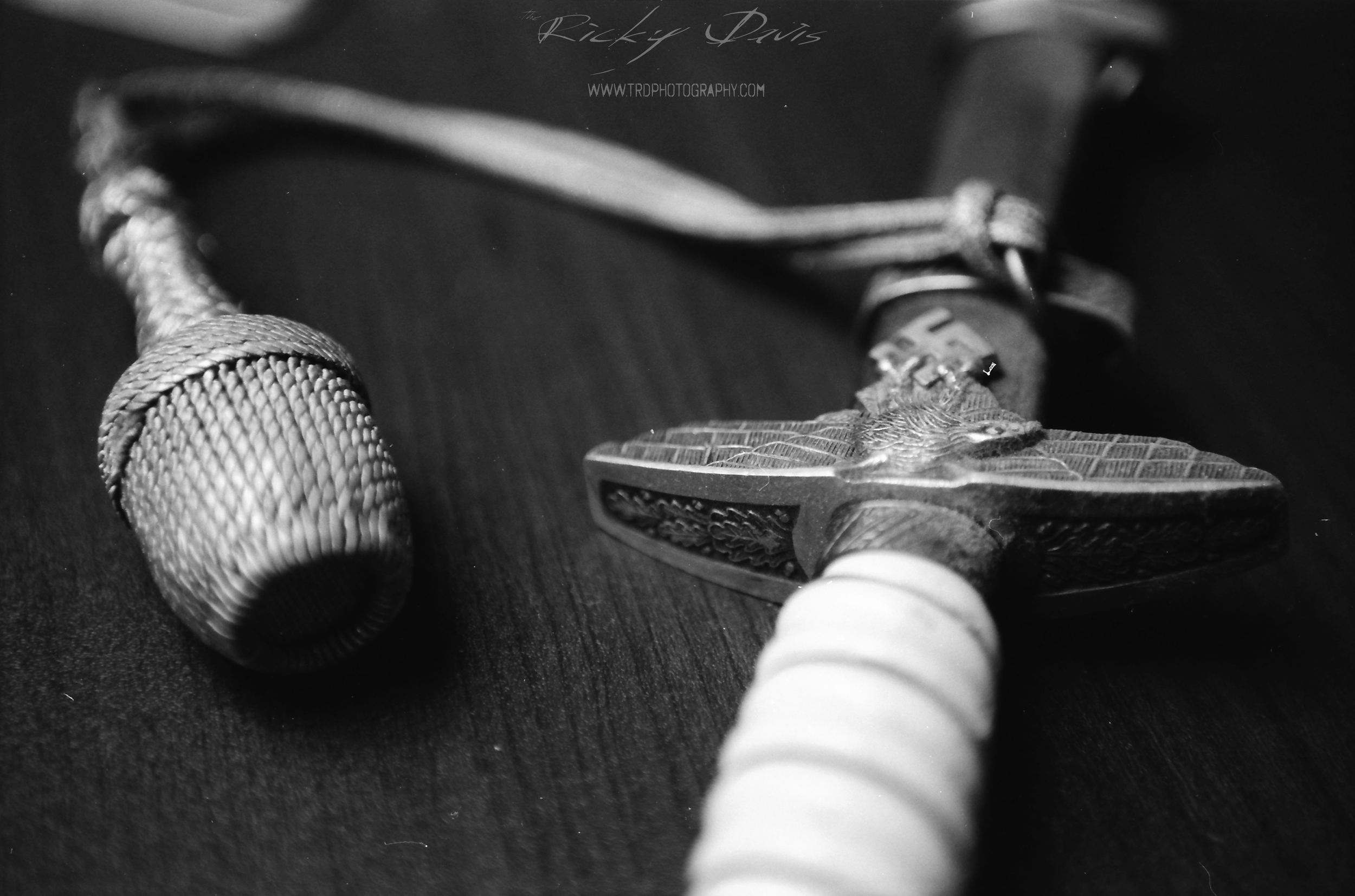
WWII Photographic Series - Sgt. Ferdinand Moreno - Photographer Ricky Davis - Film - Expired Kodak Tmax100
One day in a village in France (he didn't know the name. Only that it was a really small village) Sgt. Moreno and one of his good friends were driving through in a military jeep. The town had been attacked and they were looking but they couldn't find anyone alive. Everyone was dead. They were debating what to do when from behind one of the small buildings, two Germans stepped out with guns trained on them and in perfect American English told them to get out of the jeep. Ferdinand was 6'4 and was crammed tightly into the jeep, which made getting out a little bit difficult. The Germans told them to throw down there weapons while they were getting out. They continued to move slowly...

WWII Photographic Series - Sgt. Ferdinand Moreno - Photographer Ricky Davis - Film - Expired Kodak Tmax100
Ferdinand's mind was racing and as he was moving to get out of the jeep, he noticed that the Germans had turned slightly and weren't paying close attention. He quickly grabbed his gun and fired a slew of bullets into the Germans, killing them. Sgt. Moreno and his friend had seen a ditch that wrapped it's way around the small village a little ways away and made a dash for it. As they reached it, more German's opened up on them. His friend was shot through the head and fell dead instantly. Sgt. Moreno had bullets pierce his shirt but didn't even get a scratch, just a few holes in his shirt. He hunkered down in the ditch and crawled down a ways. He peeked up, and saw German faces looking out of windows in some of the buildings. He fired, and the German dropped. He kept moving and firing at different Germans as they were trying to pinpoint his location, unsuccessfully.

WWII Photographic Series - Sgt. Ferdinand Moreno - Photographer Ricky Davis - Shot with Canon 6D.
Slowly, Sgt. Moreno made his way back towards his lines. I was told that he killed 40 Germans. I'm not sure if that was on this mission, or in total during the war. His nephew had told me that he heard he killed 28 Germans and that Sgt. Moreno was haunted by his past throughout his life. There's probably no real way to know, and that number isn't the thing that really matters.
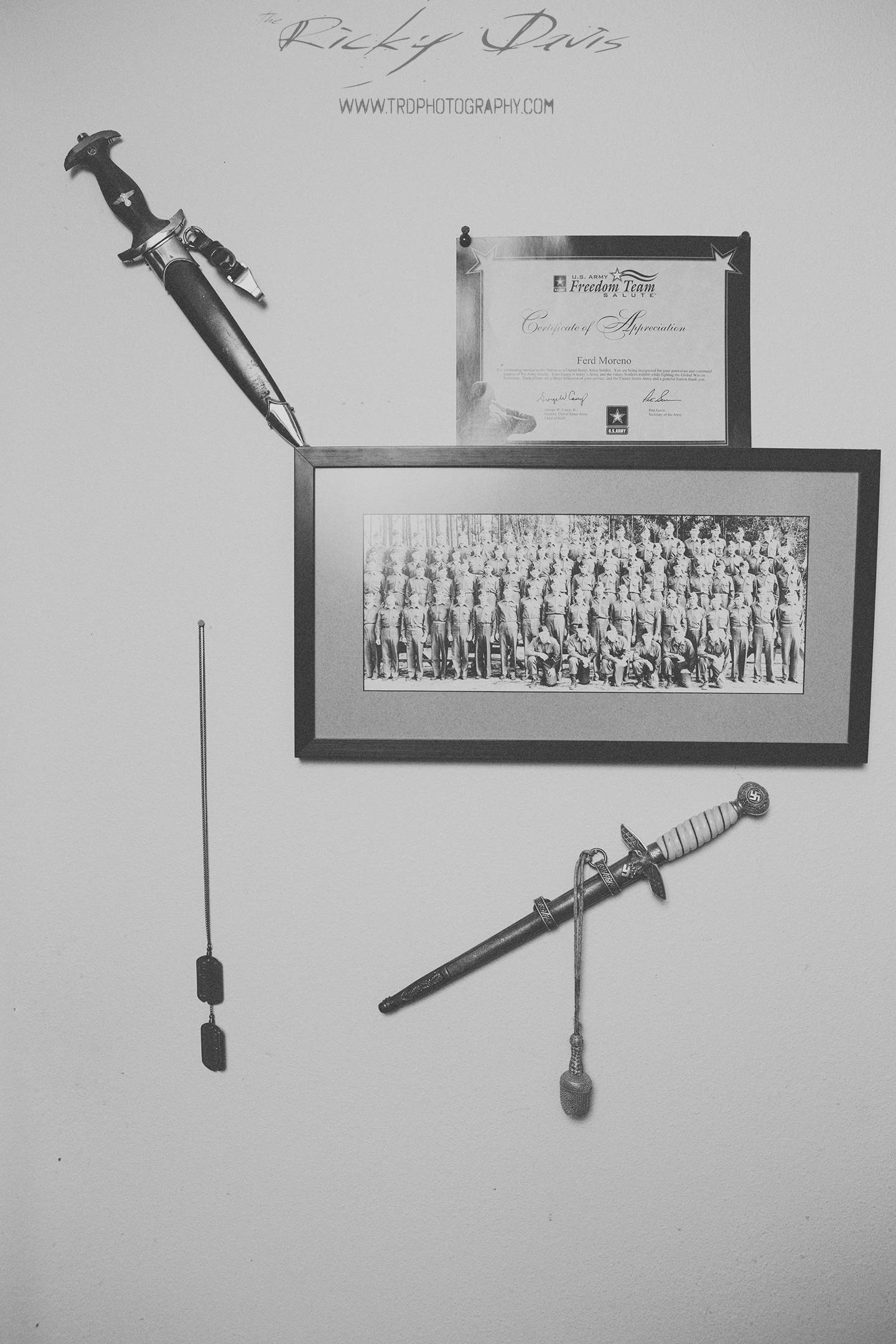
WWII Photographic Series - Sgt. Ferdinand Moreno - Photographer Ricky Davis - Shot with Canon 6D.
I feel incredibly blessed to have gotten to sit and meet this American hero. It's still hard for me to look at the photos, his eyes still just cut right through me. When you think about the age that these men and women were living in, and the evil that was being wrought upon the world and spreading across the European continent at the time, you realize.he wasn't a hero for killing Germans, he was a hero for answering when his country called. He was a hero when he helped to liberate these camps where men, women, and children were emancipated, raped, and even murdered. I personally can't imagine the things he saw, nor can I imagine the things our servicemen see and deal with now. We have to hold onto our past and learn from it to get to where we need to be tomorrow, and grow as human beings. Sgt. Moreno also was honored with the Bronze Star for his service in WWII. I hope that you enjoyed reading a little bit about this man, and his service to our country. If you did, feel free to share this.
Ricky
Seeing Yourself in Beauty and in Decay...Photographer Ricky Davis
Beauty in the Decay Series - The Window - Model Liz Price - Photographer Ricky Davis - Shot with Canon 6D.
Seeing yourself in the Beauty and the Decay – By Ricky Davis
Back in 2013, I began a series which I titled Beauty in the Decay. I had been inspired by the work of the amazing Karen Jerzyk who goes into abandoned buildings and shoots nude models. The work is mind blowing and very powerful. Now I don’t shoot nude models, the most that I shoot is implied, but I really liked the idea of doing a series that pits beauty in the midst of decay, from my perspective. I feel that this can open up a lot of questions. What is beauty, really what is decay?
I shot two photos for the series in 2013, and none in 2014. I got a little off track. Recently I decided I wanted to began it again and had the opportunity to work with the amazing Liz Price for a new image to add into it.
A few weeks ago I posted the image above on Facebook and Instagram and I asked the question of what people feel, or what are their thoughts regarding what’s happening in the photo. I held my own opinion back until now. I wanted to share a few of the responses that I received about this photo.
“She feels alone in a society that says her body doesn’t fit the standards for beautiful.” Amanda C.
“Longing for her dreams, hope that’s lost” Carol Ann M.
“She’s feeling embarrassed or shunned. Lack of confidence, yearning to be accepted.” Kellie H.
“I see someone who has hit rock bottom, and this is the moment she decides to take her life back!
I feel like her thoughts are, “screw the world! Wait until they see what I have coming for them!” (In a positive sense)
For me, it seems like a moment of transformation!” Trevor L.
“Remembering what once was…” Christy G.
” I see someone reflecting waiting for a change who is to know if it is good or bad” Kennedy G.
“Loneliness looking out into the darkness for a single ray of light.” Gregory A.
Those were responses on Facebook, here’s some of what people on Instagram had to say.
“A very foreboding, dark, & sinister look. Emotionally I’m intrigued on what the subject sees outside the window.” VIntageterrance
“I feel sad. I feel like she got left at the alter and she is soo misrable she still has on her wedding crenlen slip, and is staring outside waiting for her groom to show up…..” Mrsham1993
“To me it feels forlorn…like she’s waiting on someone who never came” DarthCrowe
As I started reading the comments as they were being posted, the thought resonated with me, especially as I knew a few of the people commenting, with things that were going on in their lives. They weren’t necessarily just viewing Liz as a model in some far off photograph, some were seeing themselves in her place. My idea was justified a few minutes later when Carol Ann commented ” You know, after reading everyone’s response, I think that our critique is how we actually feel unsure emoticon or maybe it’s just me.”
So what is the purpose of art? Sometimes I think it’s helpful for us to grow and to sort through things that we are dealing with when we can step out of ourselves and see it in third person. Much the way that some were able to step into Liz’s position and relate.
For me, this photograph is a symbol of hope and beauty. Yes, the room is trashed, and it’s dark and bleak. Yes, she’s not airbrushed, liquified, and the like. It’s gritty and the location doesn’t seem too inviting. The curtains to the window are drawn, except for where she’s holding them apart. She’s not looking behind her at the disheveled mess that’s in the past, but she’s looking forward through the window into what’s to come. Too often we focus on the distractions around us instead of looking ahead. We don’t know what’s to come, but we already know what’s behind us. That’s what it makes me feel anyway.
I hope that you like the image and will stay tuned for more.
Ricky
If you’d like to work with me, trd@trdphotography.com
WWII Veteran Photographic Series - Pvt. Ralph Davis - Photographer Ricky Davis
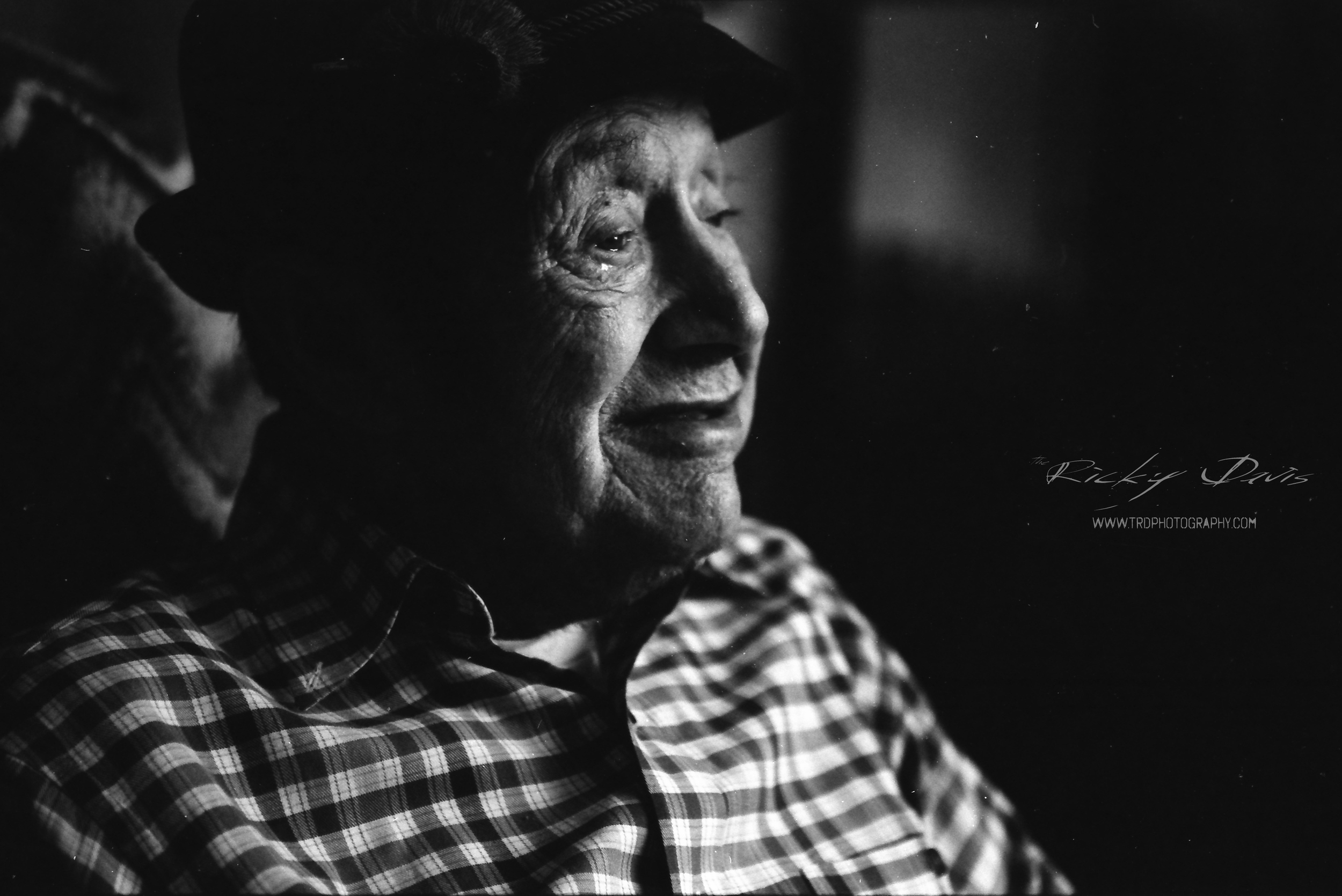
WWII Artilleryman - Pvt Ralph Davis - Photographer Ricky Davis of TRD Photography - Expired Kodak T-Max100 Film -
WWII Veteran Photographic Series - Private Ralph Davis
Before I begin to share my experience with Mr. Davis, I’d like to share my inspiration for doing this portrait series. I have long been interested in military history, particularly Vietnam and World War II. As I’ve watched current events unfolding before our eyes, I feel that it is imperative that we chronicle and preserve the history of those in “The Greatest Generation” because we are losing a lot as a country and forgetting what has made us great. If we let these heroes that fought for our freedom pass on without learning the lessons that they can teach us, who knows if we will ever find our way back as a country. That is my ultimate goal with this series.

WWII Artilleryman - Pvt Ralph Davis - Photographer Ricky Davis - Photo taken with Canon 6D.
I had ultimately planned to begin this project when I returned home from Oregon but upon arriving I found out that my mother-in-law knew two local World War II Veterans living here in the area. I got to meet Mr. Davis, no relation to me, on Wednesday evening. When I was first told about Ralph, I was told that he doesn’t remember very much about the war because he is suffering from dementia a little bit. Upon getting to sit down and visit with him I was honored to talk about life, and a little more about the war than he had spoken about in the last thirty years.

WWII Artilleryman - Pvt Ralph Davis - Photographer Ricky Davis of TRD Photography - Expired Kodak T-Max100 Film
Ralph enlisted in the Army soon after Pearl Harbor. He was assigned to infantry and was an artilleryman in Germany. I asked him when he arrived in Germany but he didn’t remember. He mentioned that he was in a few battles but not that many. He said ” I was scared. You didn’t know what was going to happen. But times are worse now than they were before. There’s no telling what’s going to happen.”

WWII Artilleryman - Pvt Ralph Davis - Photographer Ricky Davis of TRD Photography - Shot taken with Canon 6D.
One thing that was really important to Ralph, was that even in the height of the war, with the Army giving out cigarettes to all the soldiers, he never smoked or drank. He said ” I didn’t even drink coffee. It was way too bitter.”
When I asked Ralph about where he was at when the war ended, he said he was in Otterberg, Germany. He told me that memories of the war were hard, that there was so many things that happened that he just wanted to forget. From talking to family members, they said he never really talked about the war that much.

WWII Artilleryman - Pvt. Ralph Davis - Photographer Ricky Davis of TRD Photography - Shot taken with Canon 6D.
In conclusion with this this first blog in my World War II series, I really think I learned a lot with this first session and interview. In a lot of the books that I’ve read, and the documentaries that I’ve seen, and even letters I have received, most of the servicemen have wanted their stories known. But there are different faces, different stories, and different viewpoints, even among those that lived through those times. Some came home and dealt with their experiences by sharing, and some dealt with their experiences by trying to forget. Everybody is different and there’s no telling how we would react in those circumstances. One thing that is absolutely certain, when freedom was on the line, and our Country called, these men answered the bell. Thank you for reading, and thank you to the veterans that have helped to make our country what it was, what it is, and what it will become.

WWII Artilleryman - Pvt. Ralph Davis - Photographer Ricky Davis of TRD Photography - Shot taken with Canon 6D.
P.S.
I wanted to say a couple of more words. Originally I posted this blog on Wordpress site while I was still on vacation in Oregon. I photographed Ralph using both my Canon 6D and also I shot some expired Kodak T-Max film. Since I posted the original blog while on vacation, my film wasn't back yet, so I added some film shots of Ralph here, mixed in with the digital photos. Each one is marked. I really hope you enjoy his story, and the photos. Stay tuned for more in this series to come.